Why Controlled Burning Helps Wildlife: Nature's Ancient Tool for a Healthier Ecosystem
When people see smoke rising from the African bush, their first reaction is often concern. Fire is usually associated with destruction, loss, and danger. Yet in many natural ecosystems, fire is not only normal—it is essential.
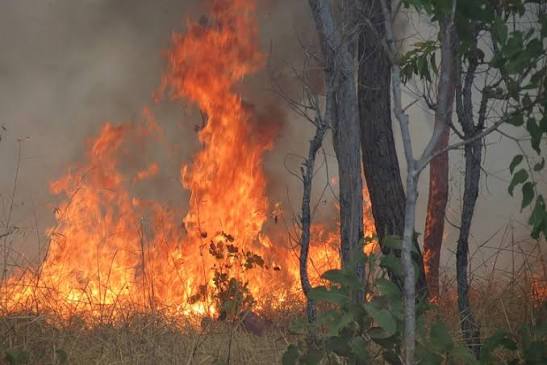
Across Africa, particularly in savanna ecosystems like the Kruger National Park, controlled burning (also known as prescribed burning) has become one of the most important conservation tools available to wildlife managers. While an uncontrolled wildfire can cause significant damage, a carefully planned and scientifically managed burn can improve habitat, increase biodiversity, reduce catastrophic fires, and ultimately create healthier ecosystems for countless species.
The relationship between fire and nature stretches back millions of years. Long before humans understood ecology, lightning strikes ignited seasonal fires that shaped the landscapes we know today. Many African plants and animals evolved alongside these natural fires, adapting to survive—and even thrive—in a world where flames periodically swept across the grasslands.
Understanding why controlled burning works helps us appreciate one of nature’s most misunderstood conservation strategies.
Fire Is a Natural Part of the African Savanna
The African savanna is not meant to remain untouched by fire.
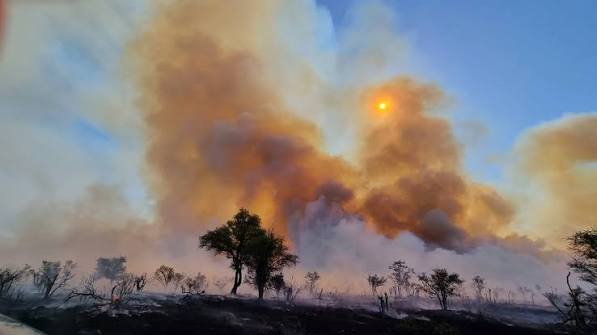
During the rainy season, grasses grow rapidly, producing enormous amounts of fuel. As the dry season progresses, these grasses die back and become highly flammable. Historically, lightning storms at the end of the dry season ignited widespread fires that burned until seasonal rains extinguished them.
This cycle has repeated for thousands of years.
Rather than destroying the ecosystem, these fires helped shape it.
Many African plants have evolved remarkable adaptations that allow them to survive regular fires. Thick bark protects trees from heat, underground root systems allow grasses to regenerate quickly, and some plant species even rely on fire to trigger seed germination.
Without periodic fires, the entire balance of the savanna begins to change.
Preventing Dangerous Wildfires
One of the primary reasons conservation managers conduct controlled burns is to reduce the risk of devastating uncontrolled wildfires.
Imagine years of dead grass, fallen branches, and dry vegetation accumulating without interruption. This creates enormous fuel loads.
If a lightning strike or accidental ignition occurs under these conditions, the resulting wildfire burns far hotter than natural fires historically would have.
These intense fires can:
- Kill mature trees
- Destroy nesting sites
- Damage soil structure
- Burn for extended periods
- Threaten nearby communities
- Endanger wildlife unable to escape
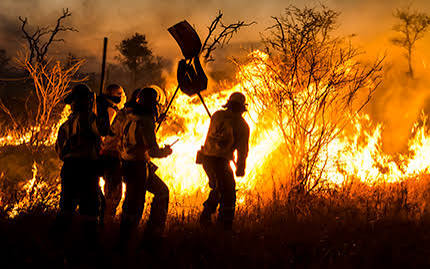
Controlled burns remove excess fuel under carefully monitored weather conditions.
Managers select days with appropriate humidity, wind speed, and temperature to ensure fires remain manageable. Firebreaks are prepared beforehand, and trained teams monitor every stage of the burn.
By reducing fuel loads, future wildfires become smaller, cooler, and easier to control.
Ironically, setting small fires helps prevent catastrophic ones.
Creating Fresh Grazing for Herbivores
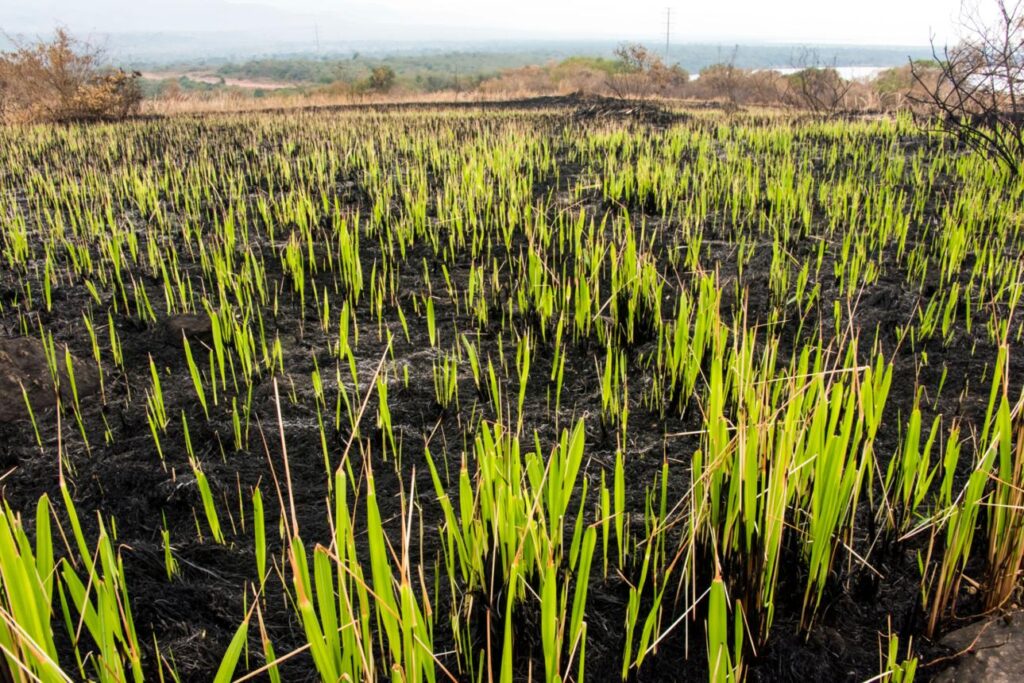
One of the most visible benefits of controlled burning appears only days after a fire.
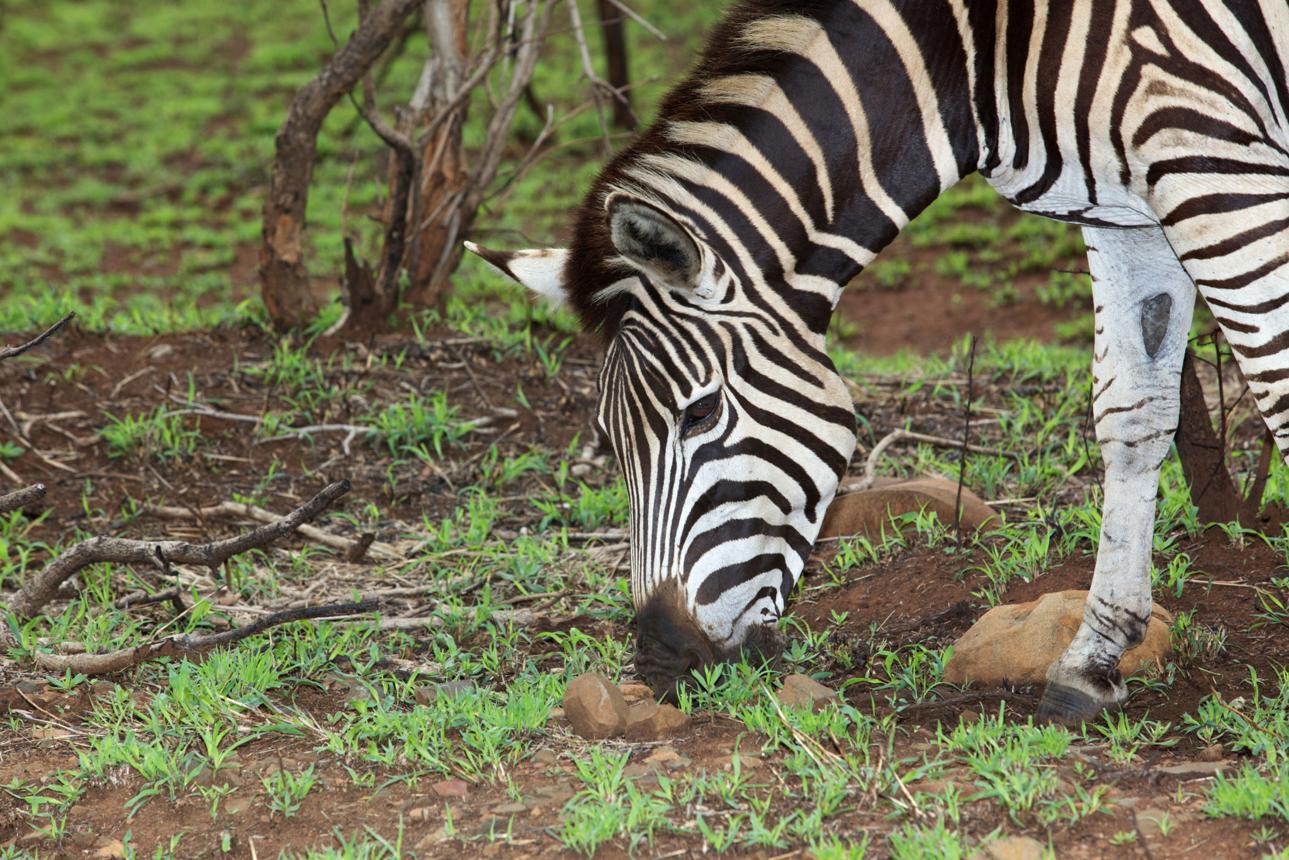
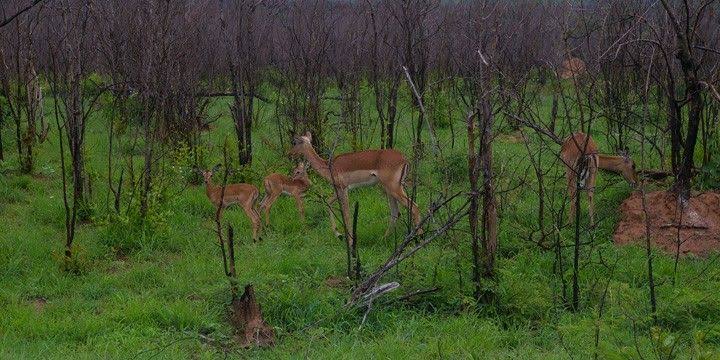
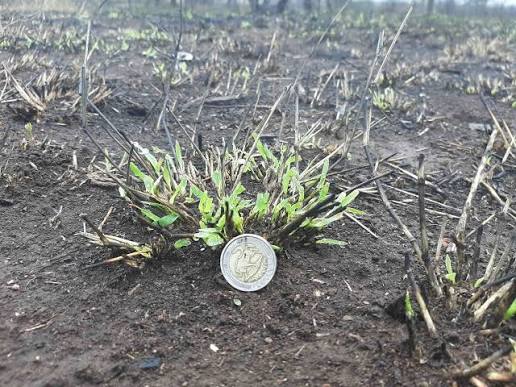
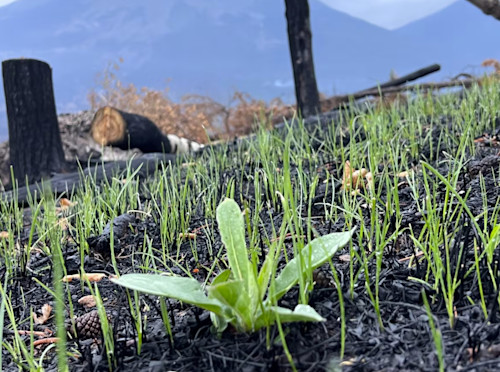
Within a week or two—especially if rain follows—the blackened ground transforms into a carpet of bright green shoots.
These new grasses are:
- Rich in nutrients
- High in protein
- Easier to digest
- More palatable than old grass
Herbivores quickly respond.
Impala, zebra, wildebeest, buffalo, kudu, waterbuck, and many other grazers actively seek recently burned areas because they offer some of the highest-quality forage available.
The contrast can be remarkable.
Old grass is often coarse, fibrous, and low in nutritional value.
New grass provides animals with essential nutrients needed for growth, pregnancy, milk production, and overall health.
Many experienced safari guides know that recently burned areas can become wildlife hotspots shortly after the first rains.
Supporting Predator Populations
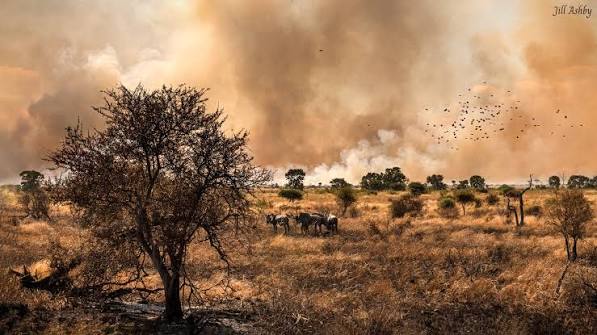
Where herbivores gather, predators soon follow.
Fresh grazing attracts large numbers of antelope, zebra, buffalo, and other prey species.
Lions, leopards, cheetahs, hyenas, and African wild dogs quickly learn to exploit these concentrations.
Rather than reducing wildlife, carefully managed burns often improve predator hunting opportunities by naturally concentrating prey in productive grazing areas.
This creates dynamic wildlife viewing opportunities while maintaining natural predator-prey relationships.
Fire indirectly supports every level of the food chain.
Maintaining Biodiversity
Without fire, many savannas gradually become woodlands.
Trees and shrubs slowly invade open grasslands.
While woodland habitats are valuable, too much woody growth can reduce habitat diversity.
Different animals require different environments.
Open grasslands benefit species such as:
- Ostriches
- Secretary birds
- Cheetahs
- Black-backed jackals
- Many grassland antelope
Dense woodland favours completely different wildlife.
Controlled burning prevents any single habitat type from dominating the landscape.
Instead, it creates a mosaic of habitats with different vegetation ages.
Some areas remain recently burned.
Others are one year old.
Some have not burned for several years.
This patchwork allows many different species with varying habitat preferences to coexist.
Greater habitat diversity leads to greater biodiversity.
Improving Nutrient Cycling
Fire may appear destructive, but it also acts as a powerful recycler.
Dead grasses contain valuable nutrients locked inside plant tissue.
When vegetation burns, many nutrients return to the soil as mineral-rich ash.
These nutrients become readily available for new plant growth.
The result is a burst of productivity once rainfall arrives.
Although some nutrients are lost during burning, many are rapidly recycled into the ecosystem.
This natural fertilisation process has occurred for thousands of years.
Helping Certain Plant Species Reproduce
Some plants actually depend on fire.
Heat can crack hard seed coats, allowing water to penetrate and trigger germination.
Smoke chemicals may stimulate seed growth in certain species.
Fire also removes thick vegetation that blocks sunlight from reaching the ground.
The increased sunlight creates ideal conditions for young plants to establish themselves.
Without occasional fire, these species gradually disappear.
The diversity of the plant community declines, affecting insects, birds, mammals, and reptiles that rely on those plants.
Reducing Parasites and Disease
Although fire is not a cure-all, it can help reduce certain parasites.
Burning removes old vegetation where ticks and other parasites may accumulate.
Fresh regrowth also creates cleaner feeding areas for grazing animals.
Healthier vegetation supports healthier herbivores, which in turn support healthier predator populations.
While controlled burning is only one component of disease management, it contributes to overall ecosystem health.
Benefits for Birds
Birdlife often flourishes after controlled burns.
Different species benefit in different ways.
Ground-feeding birds exploit exposed insects.
Raptors hunt small mammals fleeing flames.
Insect-eating birds feed on insects attracted to fresh vegetation.
As grasses regrow, seed-eating birds find abundant food later in the season.
Some birds even follow active fires, taking advantage of insects escaping the flames.
It is an extraordinary example of wildlife adapting to natural ecological processes.
Fire Creates Habitat Variety
No two controlled burns are identical.
Some burn hotter than others.
Some leave islands of unburned vegetation.
Others create irregular edges where old and new habitats meet.
These transition zones, known as habitat edges, often support particularly high wildlife diversity.
Different species use different parts of these mixed habitats.
Small mammals find cover in unburned patches.
Predators hunt along edges.
Birds nest in surviving shrubs.
Insects rapidly colonise recovering vegetation.
Rather than creating a uniform landscape, controlled burning increases environmental complexity.
Protecting Large Trees
This may sound surprising.
Fire can actually protect trees.
Without periodic burns, thick grass and shrubs build up around tree trunks.
When an intense wildfire eventually occurs, the enormous fuel load produces temperatures capable of killing mature trees.
Regular low-intensity burns remove this fuel before it accumulates.
The result is cooler fires that most mature trees survive.
In this way, controlled burning preserves many iconic African trees, including marulas, knobthorns, leadwoods, and jackalberries.
Fire and Elephants Work Together
Elephants and fire are often described as ecosystem engineers.
Elephants open dense vegetation by breaking branches and pushing over trees.
Fire maintains grasslands by limiting woody plant expansion.
Together, they create the open savanna landscapes that define much of eastern and southern Africa.
Without either influence, vegetation structure would change dramatically.
Many wildlife species would lose suitable habitat.
Timing Is Everything
Successful prescribed burning depends on careful planning.
Managers consider:
- Wind direction
- Humidity
- Air temperature
- Fuel moisture
- Recent rainfall
- Wildlife movements
- Nearby infrastructure
Burns are usually conducted under conditions that keep flames relatively cool and slow-moving.
This allows most animals to move safely away from the fire front.
Unlike sudden wildfires, prescribed burns are predictable and closely supervised.
Large mammals simply walk away.
Birds fly.
Many reptiles shelter underground.
Countless insects survive beneath the soil or in unburned patches.
Wildlife has evolved alongside fire for millennia.
Common Misconceptions About Controlled Burning
Many visitors assume burned landscapes are permanently damaged.
Nothing could be further from the truth.
Blackened ground often looks lifeless for a few days.
Yet beneath the surface, plant roots remain alive.
Once rain arrives, regeneration begins almost immediately.
Another misconception is that fire kills large numbers of animals.
While some small animals inevitably perish, most larger wildlife escapes with ease.
Because controlled burns are carefully planned and relatively slow-moving, mortality among large mammals is generally very low.
The short-term appearance of destruction masks a long-term process of renewal.
A Landscape in Constant Renewal
Nature rarely stands still.
Savannas are dynamic ecosystems shaped by rainfall, herbivores, predators, drought, floods, and fire.
Controlled burning mimics one of the oldest natural processes on Earth.
Rather than fighting against nature, conservationists work with it.
The result is healthier grasslands, richer biodiversity, improved grazing, reduced wildfire risk, and thriving wildlife populations.
The next time you visit the African bush and notice an area that has recently burned, don’t see it as destruction.
Look closely.
Within weeks, fresh green shoots will emerge.
Antelope will gather to feed.
Birds will return.
Predators will follow.
Life begins again.
Fire may seem destructive, but in the African savanna, it is often the spark that keeps the entire ecosystem alive.