
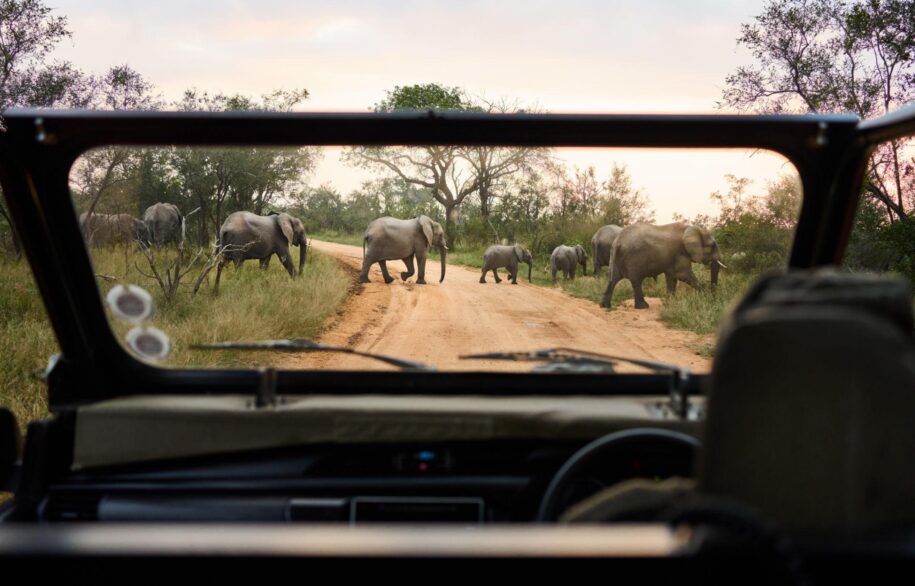
The Most Dangerous Animals in Africa And Why They Aren't What You Think
Ask someone which animal is the most dangerous in Africa, and you’ll likely hear the same answers: lion, leopard, crocodile, or perhaps even a great white shark. Popular culture has painted predators as the ultimate threat, with movies, documentaries, and sensational headlines often portraying them as man-eaters waiting for an opportunity to attack.
The reality is far more interesting.
While Africa’s predators certainly deserve respect, many of the continent’s most dangerous animals are not the ones most tourists fear. In fact, some of the greatest risks come from animals that appear calm, harmless, or even comical at first glance.
Understanding animal behaviour is one of the most important aspects of staying safe on safari. Let’s explore Africa’s most dangerous animals and why some of them may surprise you.
Understanding animal behaviour is one of the most important aspects of staying safe on safari. At Intrepid Odyssey, our privately guided safari experiences are designed to help guests not only see Africa’s incredible wildlife but also understand the behaviours, adaptations, and ecological roles that make each species unique. Led by an experienced professional guide with qualifications in zoology, entomology, and wildlife management, our safaris focus on education, conservation, and unforgettable wildlife encounters.
Let’s explore Africa’s most dangerous animals and why some of them may surprise you.
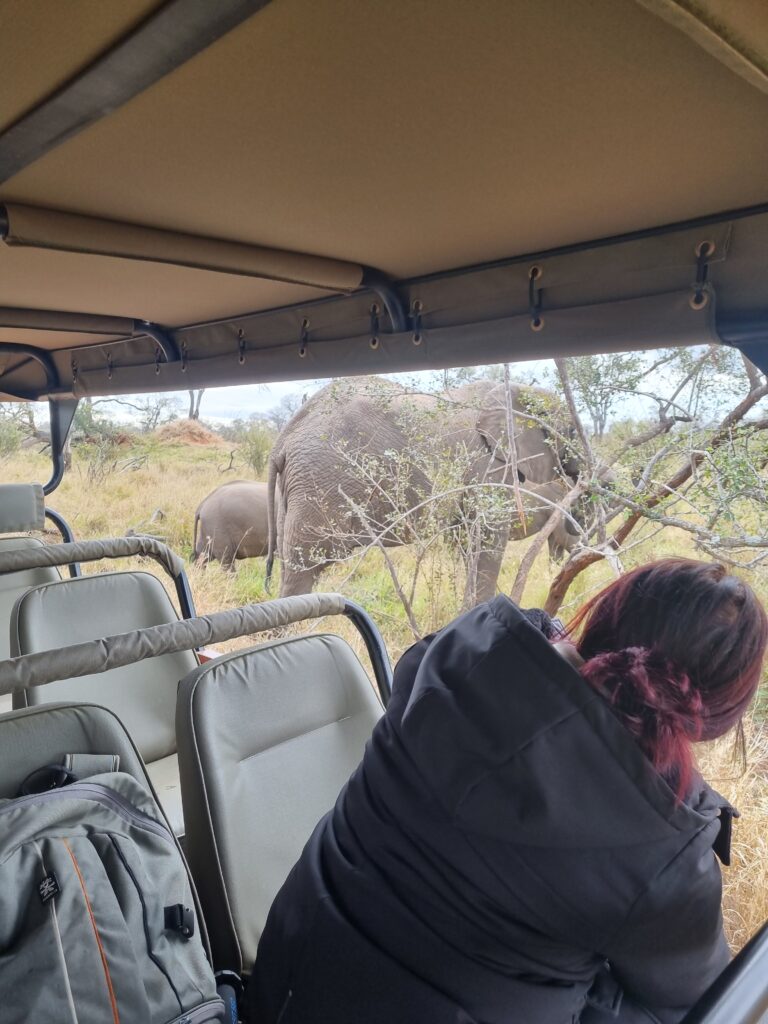
1. The Hippopotamus: Africa’s Unexpected Killer
If there were an award for Africa’s most misunderstood animal, the hippopotamus would win it comfortably.
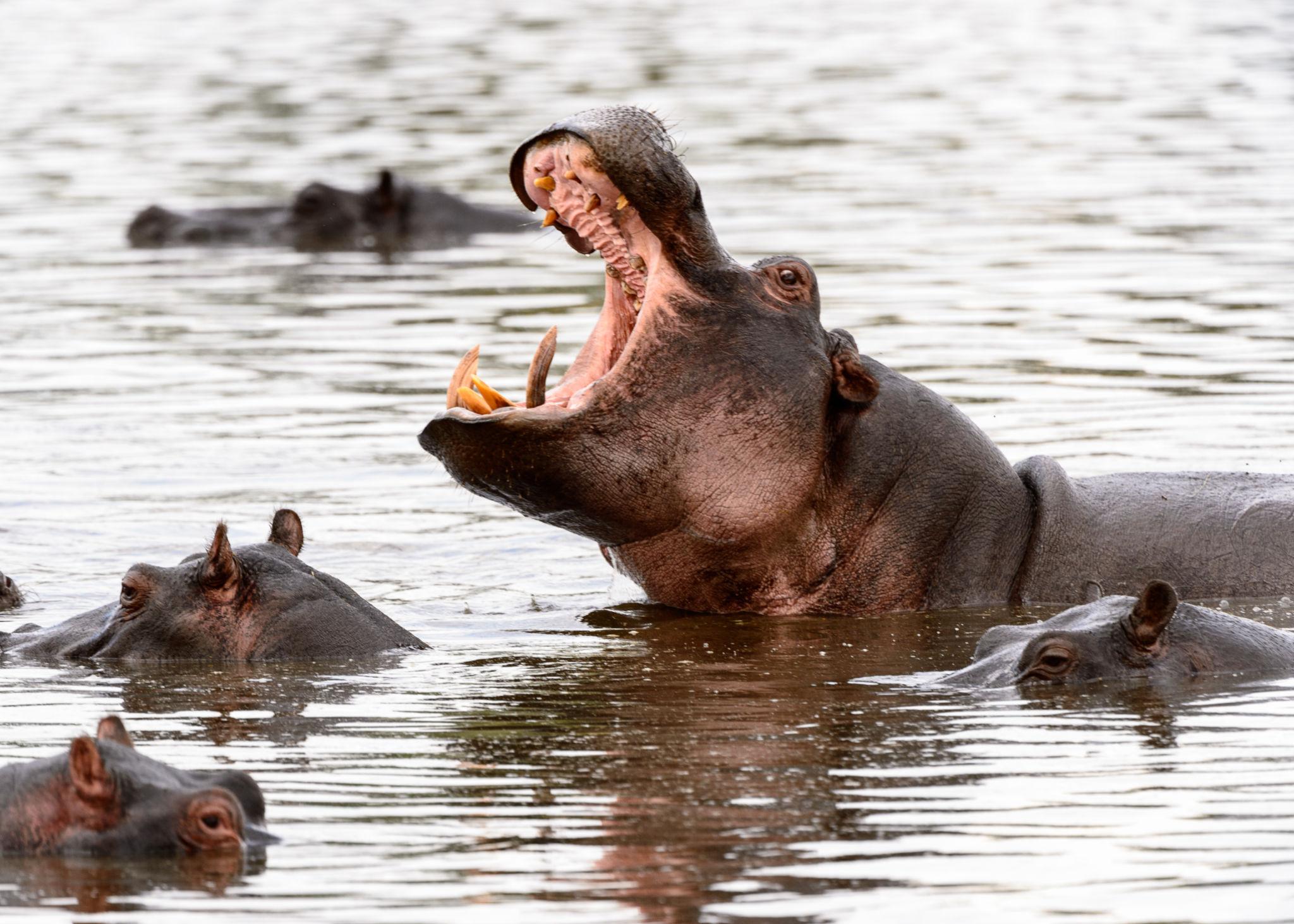
At first glance, hippos appear lazy and almost cartoon-like. They spend much of their day partially submerged in water and often seem uninterested in their surroundings.
This impression is dangerously misleading.
Hippos are responsible for more human fatalities across Africa than lions. Highly territorial and incredibly aggressive when threatened, they can become extremely dangerous with little warning.
A fully grown hippo can weigh more than 1,500 kilograms and run surprisingly fast on land, reaching speeds of up to 35 km/h over short distances. They can keep that pace in the water as well.
Many incidents occur when people unknowingly position themselves between a hippo and the safety of water. If a hippo feels trapped, its response can be immediate and violent to return to the water, which is their ‘safe’ place.
On safari, hippos are fascinating to observe, but they should always be treated with caution and respect.
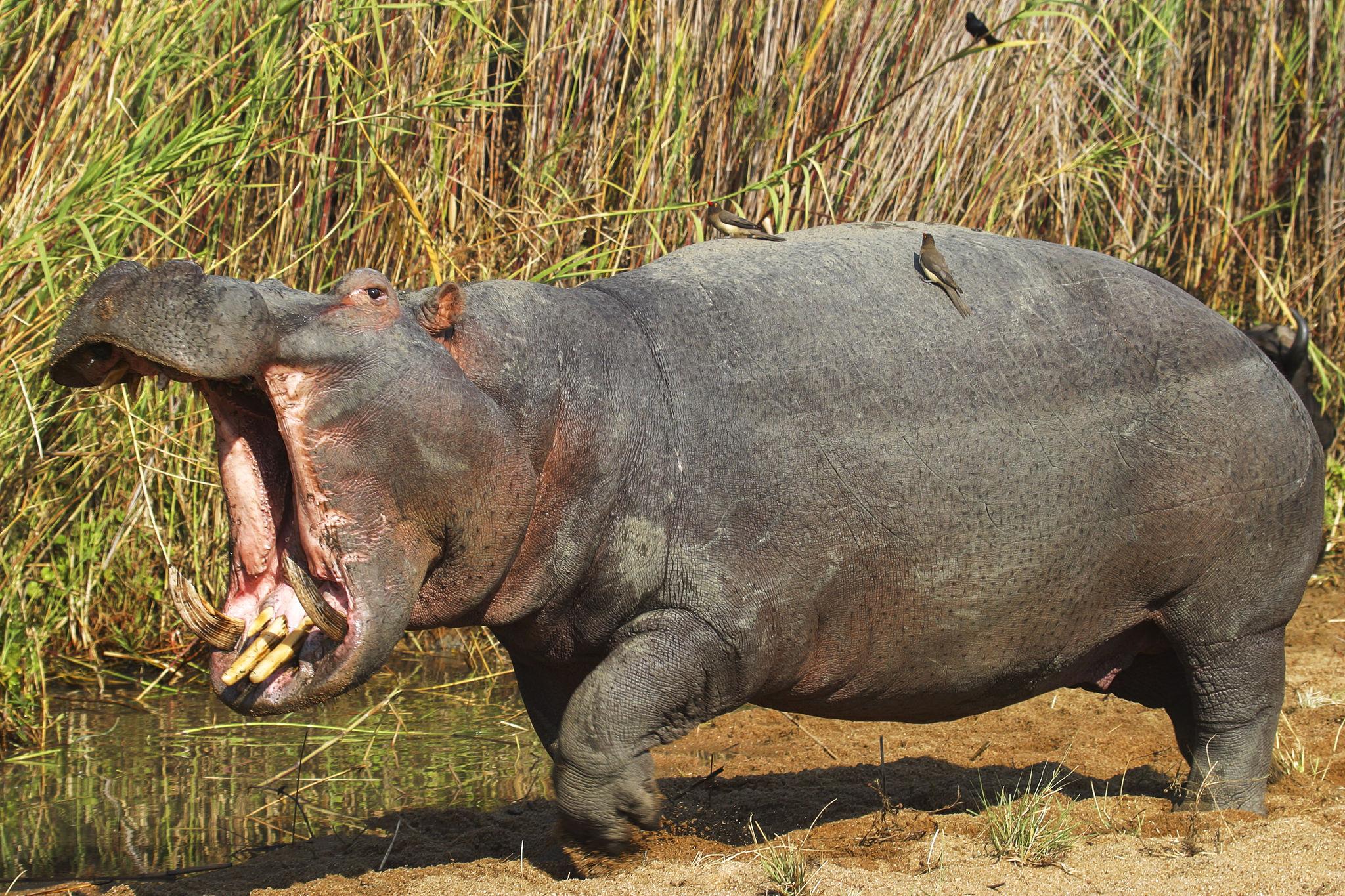
2. The African Elephant: Gentle Giant or Powerful Force?
Many visitors arrive on safari expecting lions to be the primary danger. Experienced guides often know otherwise.
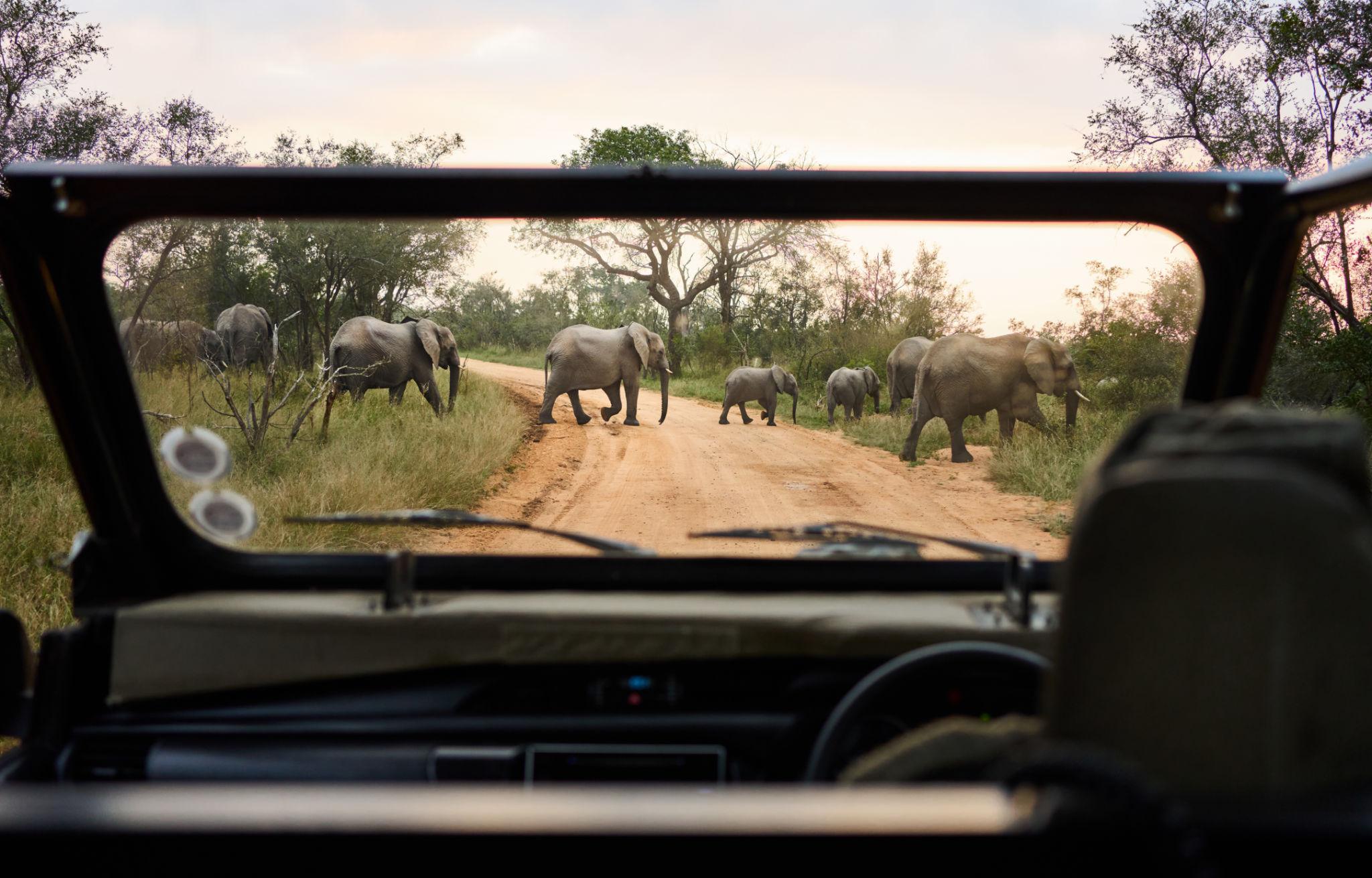
African elephants are among the most intelligent and emotionally complex animals on Earth. Most encounters are peaceful and unforgettable.
However, elephants possess immense strength and can become highly dangerous when stressed, surprised, or protecting their calves.
A mature bull elephant can weigh over six tonnes. Even a mock charge is enough to send a clear message that visitors should back away.
Elephants communicate extensively through body language. Signs of agitation may include:
- Head shaking
- Ear spreading
- Dust throwing
- Trunk curling inward
- Repeated bluff charges
Understanding these signals is one reason professional guides undergo extensive training.
Most elephant incidents occur when people approach too closely or fail to give animals sufficient space.
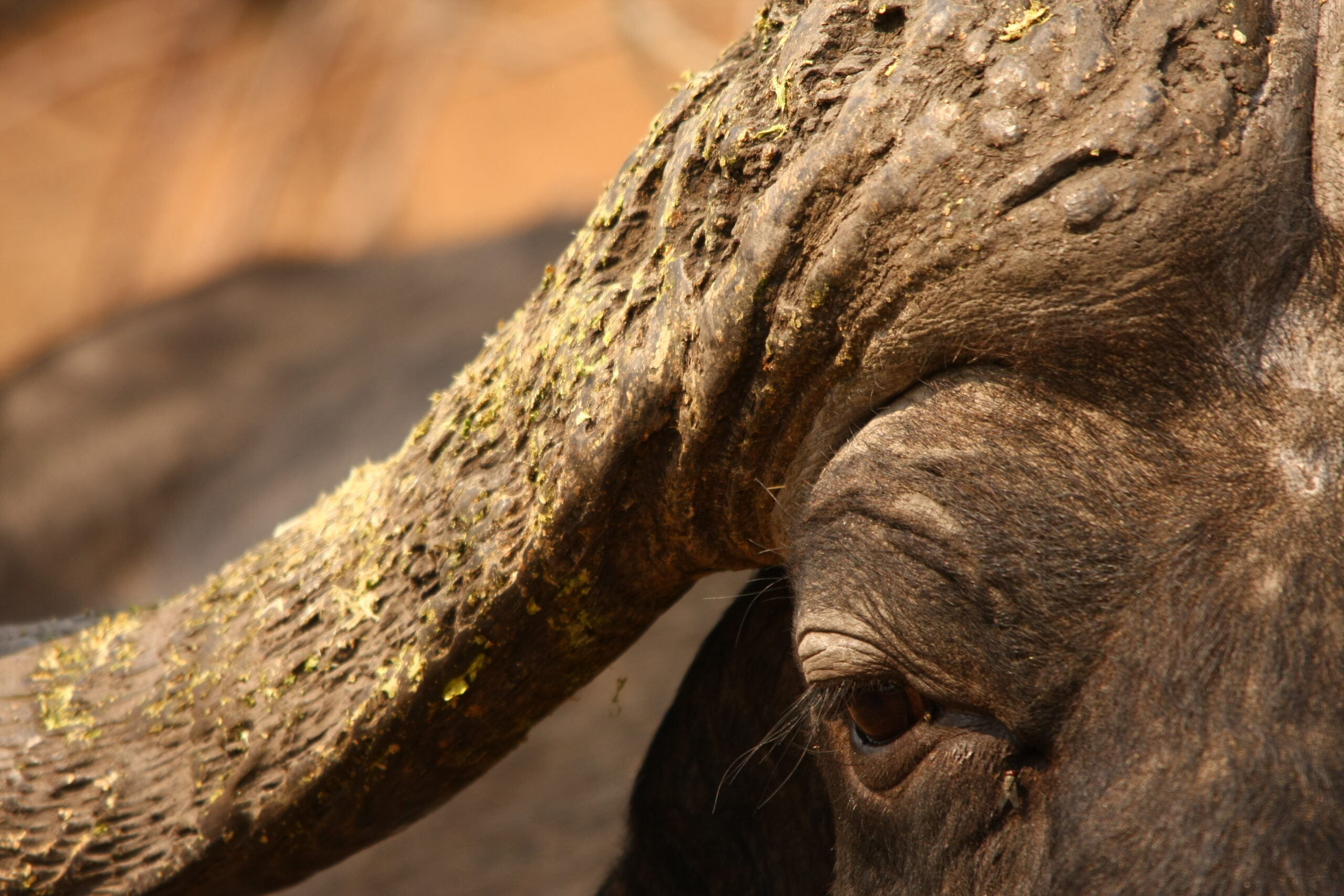
3. The African Buffalo: The Animal Guides Respect Most
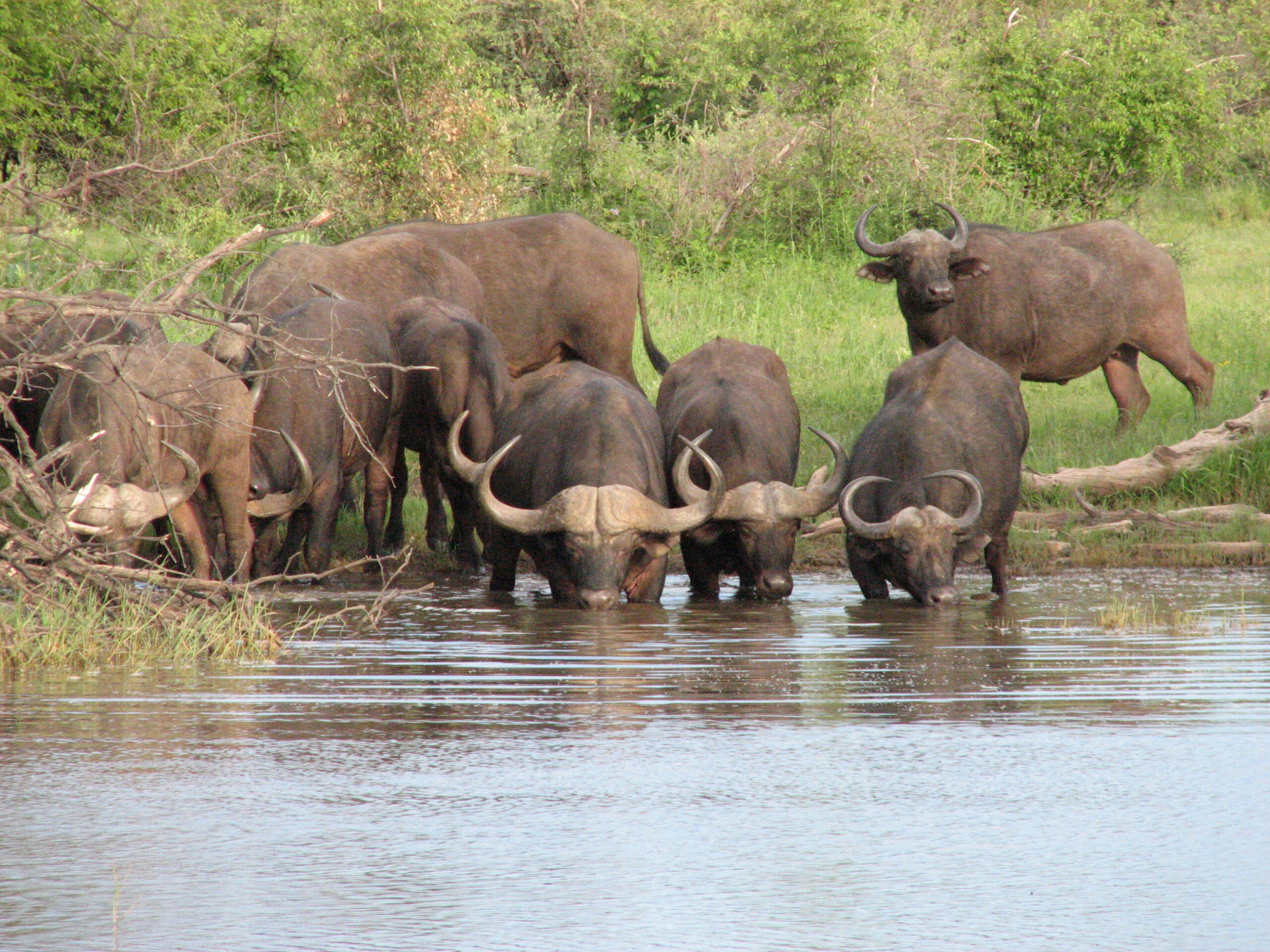
Ask a group of experienced safari guides which animal they would least like to encounter on foot, and many will answer the African buffalo.
Buffaloes have earned a reputation for being unpredictable, resilient, and exceptionally dangerous when wounded or cornered.
Unlike some predators that may retreat when threatened, buffalo often stand their ground.
A mature buffalo can weigh nearly a ton and possesses impressive speed and agility. Their powerful horns can inflict severe injuries, and they are known for aggressively defending themselves against perceived threats.
Old solitary bulls, often called “dagga boys,” are particularly respected by guides and trackers. They are more often alone or in small groups and therefore double up in aggression in these situations.
Buffalo may not receive the same attention as lions, but they are widely regarded as one of Africa’s most formidable animals.
4. The Nile Crocodile: A Perfect Ambush Predator
The Nile crocodile is one of Africa’s oldest and most efficient predators. Unlike many animals that rely on speed or strength alone, crocodiles are masters of patience. They can remain motionless for hours or days, waiting for the perfect opportunity.
Large crocodiles are capable of taking down antelope, zebra, wildebeest, and occasionally much larger prey.
Most attacks occur near water, especially where people become complacent. One reason crocodiles are so dangerous is that they are often difficult to see. Their camouflage and stealth make them nearly invisible until they decide to move.
Fortunately, safari operators understand these risks and take appropriate precautions around rivers and waterholes.
5. Lions: Less Dangerous Than You Might Think
Lions are perhaps Africa’s most iconic predators.
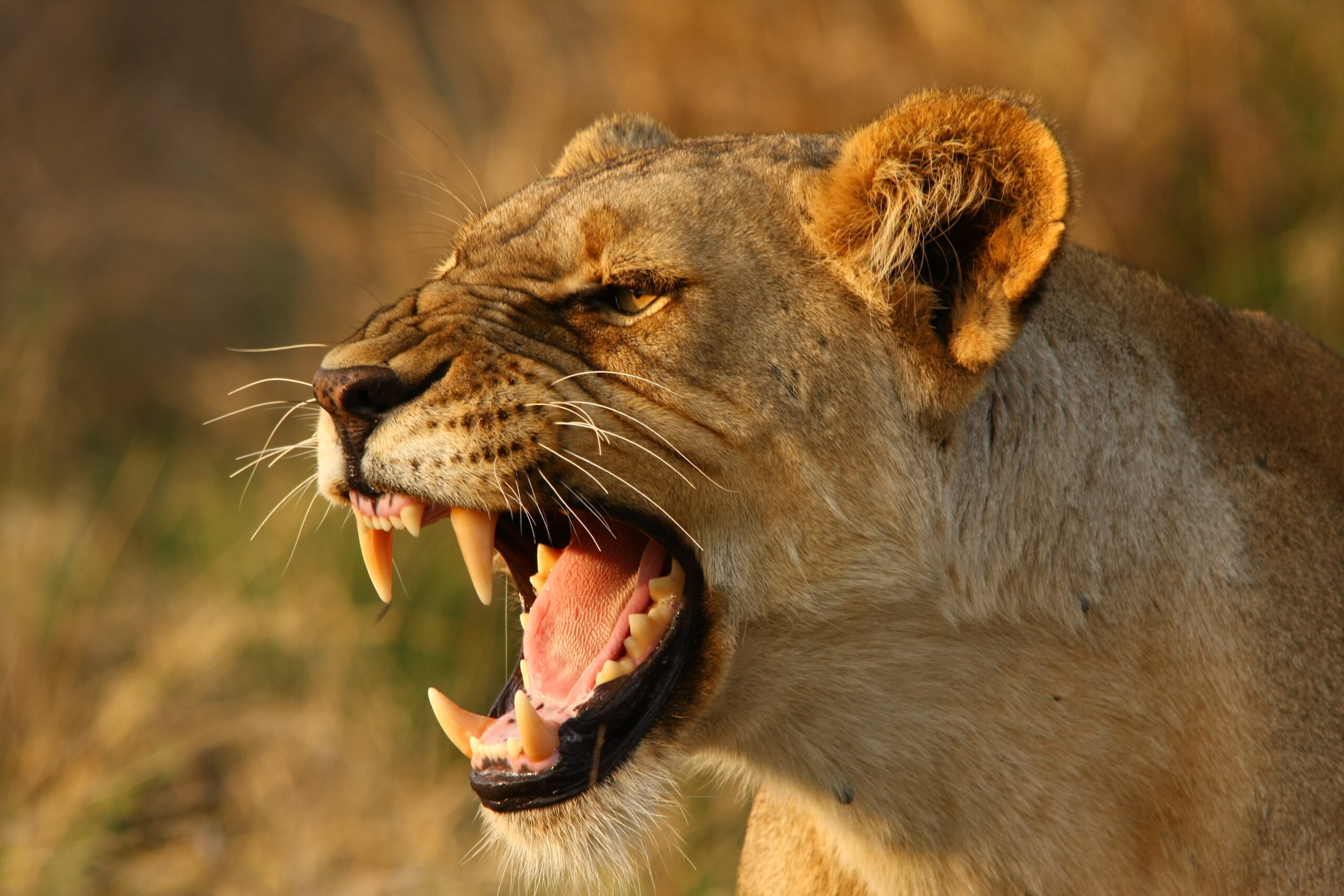
Powerful, intelligent, and highly social, they are perfectly adapted for hunting large prey. Yet lions are not responsible for as many human fatalities as many people assume.
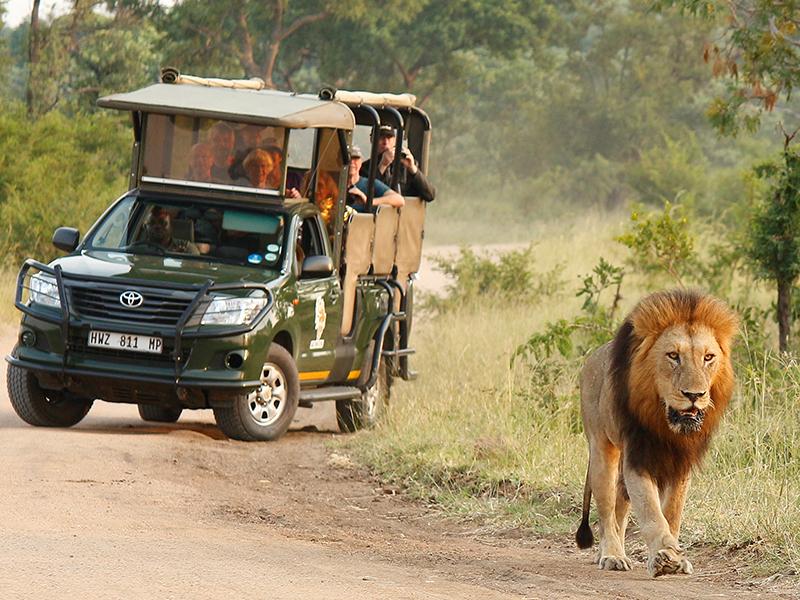
Contrary to popular belief, lions generally prefer avoiding humans whenever possible. Most lion related incidents occur under unusual circumstances, such as when animals are surprised at close range or become habituated to human presence.
For visitors observing lions from a safari vehicle, the risk is extremely low. This doesn’t mean lions are harmless; they remain apex predators, but they are often less dangerous to humans than hippos, elephants, or buffalo.
6. Leopards: Invisible and Powerful
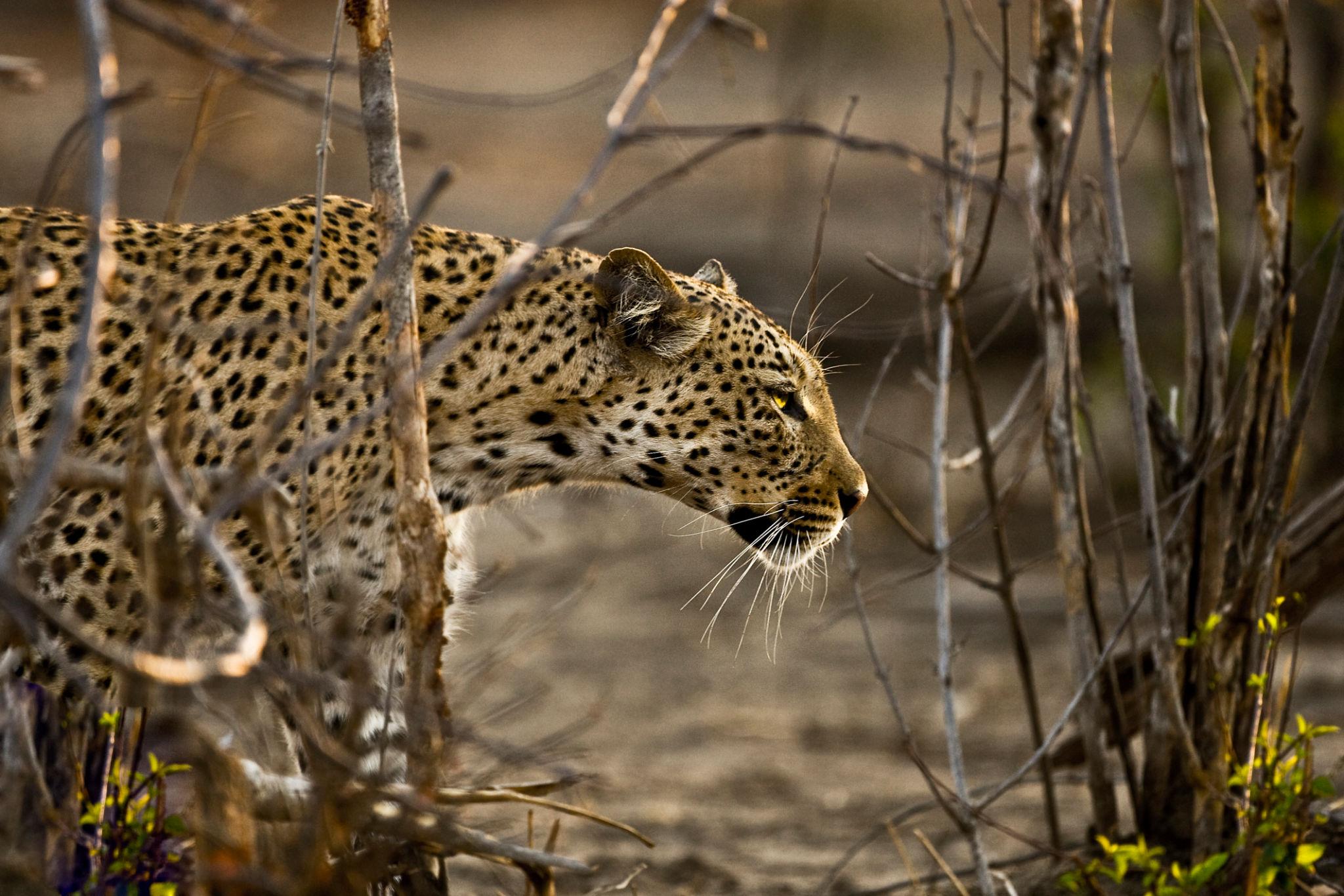
Leopards are among Africa’s most elusive predators. Many visitors spend several days on safari hoping to see one. Their secretive nature is one reason they are involved in relatively few incidents with people.
However, leopards are exceptionally strong and highly capable hunters. A leopard can drag prey heavier than itself into a tree and navigate dense vegetation with remarkable stealth.
While dangerous if cornered, leopards generally avoid confrontation whenever possible. Their reputation often exceeds their actual risk to safari visitors.
7. Mosquitoes: Africa’s Deadliest Animal
Here’s the surprise most people never expect. The deadliest animal in Africa is not a predator at all.
It is the mosquito.
Mosquitoes transmit diseases such as malaria, which continues to affect millions of people globally every year. Compared to lions, elephants, crocodiles, and buffalo combined, mosquitoes are responsible for far more human deaths.
This is why safari preparation should include more than simply understanding wildlife. Preventive health measures are equally important.
Travellers visiting malaria risk areas should consult medical professionals, use insect repellent, and follow recommended preventative protocols.
Why Animal Behaviour Matters More Than Animal Species
One of the biggest lessons experienced guides learn is that danger often depends more on behaviour than on species. A relaxed elephant may be completely safe to observe at close range. A stressed elephant may require immediate caution.
The same principle applies to buffalo, lions, hippos, and virtually every other species. Animals communicate constantly through body language. Understanding those signals is one of the reasons trained guides play such a valuable role in creating safe and rewarding safari experiences.
This is where the value of an experienced guide becomes truly apparent. At Intrepid Odyssey, we believe that the difference between simply seeing wildlife and truly understanding it lies in interpretation. Reading animal behaviour, recognising warning signs, and understanding the subtle interactions between species allows guests to experience Africa’s wilderness in a safer and far more meaningful way.
Whether tracking a leopard through riverine woodland, observing a breeding herd of elephants, or watching a buffalo herd react to predators, every sighting becomes an opportunity to gain deeper insight into the natural world.
The Real Secret to Staying Safe on Safari
The good news is that safaris are remarkably safe when conducted responsibly.
Professional guides, established park regulations, and modern safari vehicles all contribute to minimising risk.
Visitors can stay safe by following a few simple principles:
- Remain inside vehicles unless instructed otherwise.
- Respect wildlife and maintain appropriate distances.
- Listen to your guide’s instructions.
- Avoid sudden movements or loud noises.
- Never feed wild animals.
- Remember that every animal deserves respect.
Final Thoughts
The most dangerous animals in Africa are not always the ones people fear most.
Hippos, elephants, buffalo, crocodiles, and even mosquitoes often pose a greater risk to humans than the lions and leopards that dominate popular imagination.
The true beauty of a safari lies not in fearing wildlife, but in understanding it. Every animal plays a vital role in Africa’s ecosystems, and each deserves admiration as well as respect.
When viewed responsibly and guided by experienced professionals, encounters with these magnificent creatures become some of the most memorable experiences a traveller can have.
At Intrepid Odyssey, we are passionate about creating immersive safari experiences that go beyond a simple wildlife checklist. Our private guided safaris focus on understanding animal behaviour, appreciating Africa’s extraordinary biodiversity, and connecting guests with the natural world in a meaningful way.
Whether you are visiting Kruger National Park for the first time or returning to deepen your knowledge of Africa’s wildlife, our goal is to provide a safari experience that is educational, personal, and unforgettable.
Ready to experience Africa’s wildlife with an expert private guide?
Visit www.intrepidodyssey.com or contact us at bookings@intrepidodyssey.com to start planning your next safari adventure.