The Majestic Sable Antelope: Ecology, Population, Behaviour & Conservation
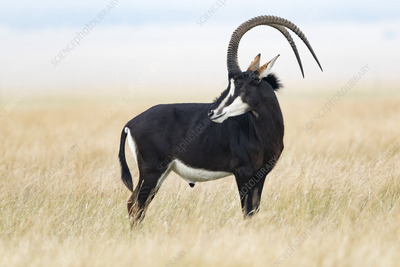
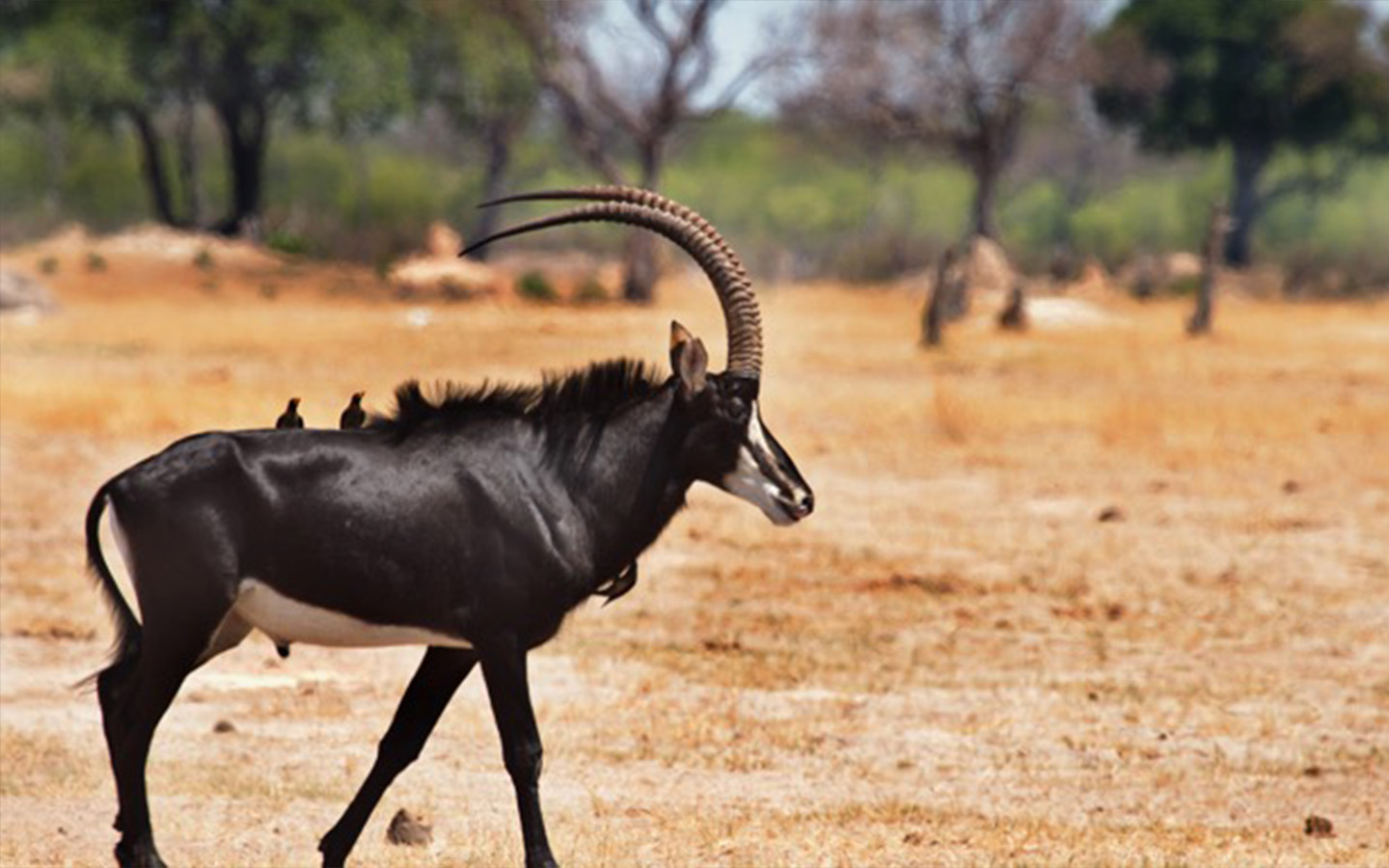
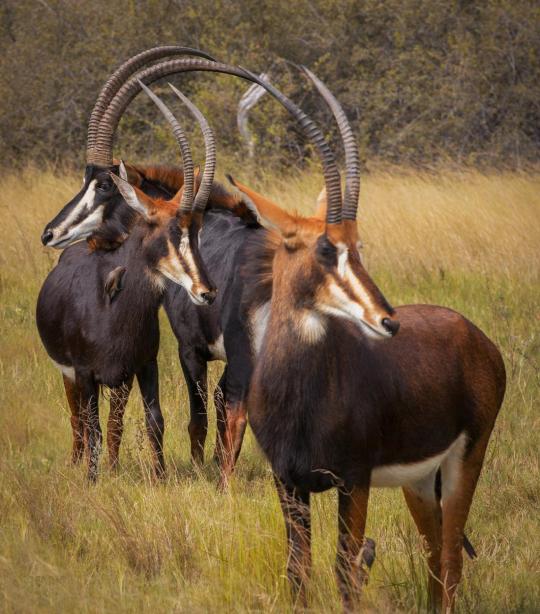
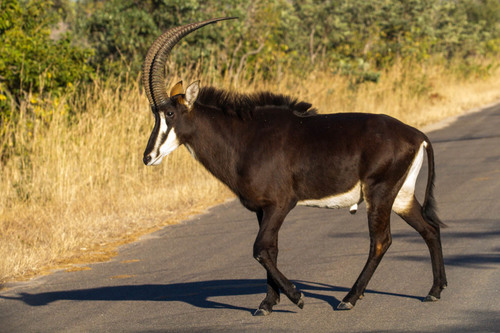
Few African mammals capture the imagination quite like the sable antelope (Hippotragus niger). With its strikingly curved horns, glossy black pelage in males, and graceful presence across woodlands and savannas, the sable is a symbol of Africa’s rich wild heritage. Yet behind this regal façade lies a complex ecology, an intricate social life, and rising conservation challenges that reflect broader issues faced by savanna ecosystems.
Ecology: Where the Sable Antelope Lives and What It Eats
Sable antelopes are native to woodlands and savanna landscapes across eastern and southern Africa — from southeastern Kenya and Tanzania through Zambia, Zimbabwe, Mozambique, Namibia, and into South Africa. These habitats are typically characterised by a mosaic of broadleaf deciduous woodlands (like miombo), grassy clearings, and grassland ecotones that provide both grazing and browse.
The species shows a strong preference for edge habitats where woodland meets open grassland, a strategy that balances access to nutritious grasses with the shelter of trees and shrubs. This preference also reflects a water dependence — sable regularly visit water sources and mineral licks, especially during dry months when water and nutrients are scarce.
Diet and Foraging
Sables are primarily grazers, feeding on a variety of grasses during the rainy season. However, they are adaptable; during drier periods, they supplement their diet with leaves, shoots, and other browse, adjusting their diet according to availability. This flexibility is important for survival across seasonal changes in savanna ecosystems.
Interestingly, sable antelopes in some areas have been recorded chewing bones, likely in response to mineral deficiencies (especially phosphorus) in the nutrient-poor soils typical of many savanna landscapes.
Population Dynamics: Growth, Structure, and Threats
Sable antelope populations vary widely across their range. Estimates suggest a global wild population of roughly 50,000 to 75,000 individuals, though exact numbers are hard to verify due to uneven survey efforts and habitat fragmentation.
Subspecies and Distribution
There are multiple recognised subspecies of sable antelope. These include:
- H. n. niger — the most widespread southern sable.
- H. n. kirkii — found in parts of Zambia and neighbouring countries, with regionally declining numbers.
- H. n. roosevelti — a Kenyan subspecies that has experienced significant range contraction.
- H. n. variani — the giant sable of Angola, which is genetically distinct and critically endangered.
Population Structure and Dynamics
Studies of sable ecology reveal structured populations shaped by social organisation, habitat quality, and competition. Herds often show skewed age and sex ratios, with females and adults comprising the majority and younger males dispersing into bachelor groups before later competing for territory.
Population dynamics are influenced by forage availability, competition with other herbivores, water access, and habitat changes. In some reserves, sable abundance has declined where competition with species like waterbuck and impala reduces food availability, especially during drier seasons.
Threats to Population Stability
The sable’s future is shaped not just by natural ecology but by human pressures, including:
- Habitat loss and fragmentation from agricultural expansion, settlement, and infrastructure.
- Hunting and poaching for bushmeat, trophies, and horns.
- Competition with livestock, which alters vegetation structure and water resources.
- Barriers to movement (like fences) that restrict access to water and seasonal grazing increasing mortality.
In Angola, especially for the giant sable, trophy hunting and civil conflict historically decimated populations, leading to genetic bottlenecking and even hybridisation with roan antelope in some areas.
Behaviour: Social Life and Daily Rhythms
Sable antelopes are social, territorial ungulates with behaviour finely tuned to their environment.
Herd Structure
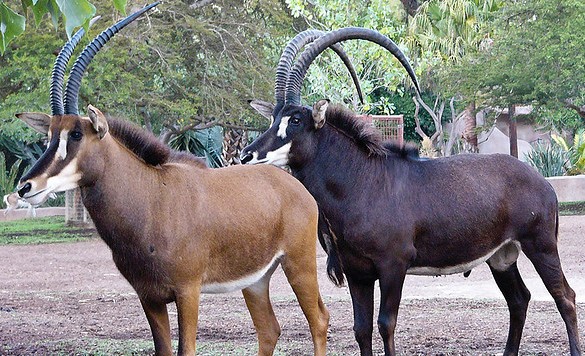
A typical sable group consists of 10–30 females and their young, led by a dominant territorial bull. These bulls defend their territories vigorously, using their impressive backwards-curving horns in displays and combat with rivals.
Younger males are often driven out of these herds around three to four years of age and form bachelor groups until they are old and strong enough to challenge for territory. Female calves usually remain in their natal areas, helping maintain continuity.
Daily Activity and Reproduction
Sables are typically diurnal and crepuscular, meaning they are most active at dawn and dusk. They often rest during the hottest part of the day and drink water when temperatures climb.
Breeding peaks at the end of the wet season, with a gestation period of about 8–9 months, producing a single calf. Newborns are hidden by their mothers in tall grass for safety before joining the herd.
Defensive Behaviour
The sable’s horns serve not only in intraspecific competition but as formidable defensive weapons against predators. Unlike many antelopes, sable often stand their ground — and are capable of injuring lions, hyenas, and other predators — thanks to their robust build and lethal horn placement.
Conservation Status: Challenges and Hope
IUCN and Global Status
On a global scale, the sable antelope species is currently classified as Least Concern by the IUCN, thanks to its relatively wide distribution and substantial numbers in well-protected reserves. However, this broad classification masks stark differences among subspecies and regions.
The giant sable antelope of Angola is listed as Critically Endangered, with fewer than a few hundred mature individuals, making it one of Africa’s most threatened large mammals.
Regional Variability
In parts of southern Africa, sable populations remain relatively stable in protected areas like Kruger National Park and Loskop Dam Nature Reserve, but their numbers are lower elsewhere. In countries like Mozambique, Tanzania, and Kenya, declines have been significant due to habitat loss and hunting.
In South Africa, national assessments consider sable antelope vulnerable, partly because wild populations occur at low densities and are fragmented — even though the global status appears secure.
Conservation Efforts
Efforts to conserve sable populations include:
- Expanding and managing protected area networks.
- Supporting ecotourism and sustainable land-use practices that benefit both people and wildlife.
- Anti-poaching enforcement and community engagement to reduce illegal hunting.
- Translocations and breeding programmes for critically endangered subspecies like the giant sable.
Conclusion
The sable antelope is more than just an icon of African wildlife — it’s a species that embodies the delicate balance of savanna ecology, the complex dance of social behaviour, and the profound challenges of conservation in a changing world. Their presence enriches ecosystems, supports tourism and local economies, and reminds us that conservation success is measured not just in numbers, but in the resilience of landscapes and the communities that share them.
Protecting the sable antelope — from the widespread southern sable to the imperilled giant of Angola — demands nuanced strategies, local participation, and a commitment to preserving the wild places that sustain them. Only then can future generations witness these magnificent antelopes not just in photos, but thriving in the wild landscapes they have long called home.