The Bombardier Ant-Guest Beetle: A Master of Chemical Deception
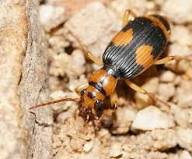
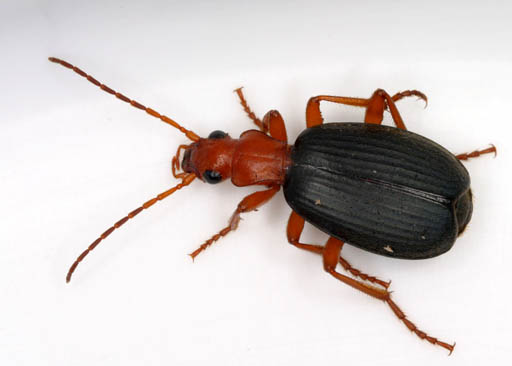
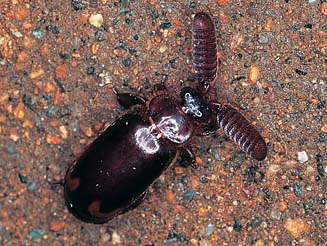
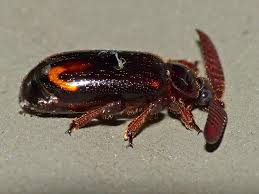
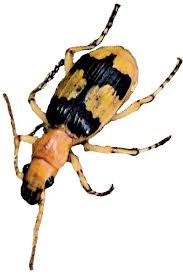
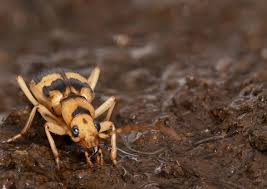
In the hidden chambers beneath our feet lives one of the most fascinating, secretive, and evolutionarily impressive insects on Earth: the Bombardier Ant-Guest Beetle, a member of the subfamily Paussinae. These beetles are both bombardiers—famous for their explosive chemical defence—and myrmecophiles, meaning they live inside ant nests as specialised guests (or sometimes manipulators) of their hosts. Their blend of chemistry, mimicry, and behavioural trickery makes them one of nature’s most extraordinary examples of adaptation.
This blog explores their biology, ecology, chemical weaponry, symbiotic relationships with ants, and the remarkable evolutionary story behind these miniature masters of deception.
A Hidden Lifestyle: Who Are the Ant-Guest Bombardier Beetles?
The Paussinae, often called ant-nest beetles or ant-guest beetles, form a subfamily within the ground beetle family Carabidae. While some Paussinae live freely above ground, the most intriguing species have evolved to spend their entire lives inside ant colonies. These beetles are found in tropical and subtropical regions, with high diversity in Africa and Southeast Asia.
What makes the ant-guest bombardier beetles unique is that they combine two highly specialised lifestyles:
1. Bombardier Defence Mechanism
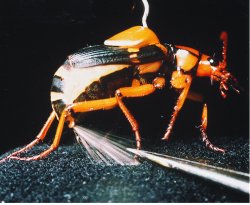
They possess the same explosive chemical weaponry typical of bombardier beetles. When threatened, they eject a rapid burst of boiling toxic chemicals—usually hydroquinones and hydrogen peroxide—from their abdomen, detonated in a combustion chamber. The reaction can reach temperatures near 100°C, delivered with a loud popping sound.
2. Myrmecophily (Ant Symbiosis)
Despite their potent defence, these beetles deliberately integrate themselves into the highly protected and socially complex environment of ant nests. Many species cannot survive outside the ant colony. This combination makes them one of evolution’s most unusual success stories.
The Chemistry of an Explosion
Bombardier beetles are already well known for their remarkable explosive spray, and the Paussinae are no exception. Their weapon consists of two compartments in the abdomen—one containing hydroquinone, the other hydrogen peroxide. When mixed, enzymes catalyse a violent oxidation reaction that releases:
- Heat
- Steam
- Benzoquinones (toxic chemicals)
- A powerful jet of hot spray
The beetle can aim this chemical burst with precision, firing in different directions depending on where the threat comes from.
In most beetles, this defence is used against predators like spiders or mammals. But Paussinae species, living among ants, use it selectively. They do not typically fire at their ant hosts; instead, they use it as a last resort when threatened by external predators or when seeking entry to a new nest.
Masters of Ant Manipulation
Living inside an ant colony is not simple. Ants are highly territorial and aggressive, instantly killing intruders with mandibles or chemical defences. Yet the ant-guest bombardier beetles move among them unharmed—sometimes even being fed and groomed by worker ants.
How do they achieve this?
Chemical Mimicry
The beetles are coated with chemicals that mimic the ant colony’s unique odour profile. This disguise fools the ants into thinking the beetle is a nestmate.
Appeasement Substances
Some Paussinae secrete compounds that calm and pacify ants, reducing aggressive responses. These chemicals can override the ants’ guard behaviours.
Physical and Behavioural Adaptations
- Many species have smooth, rounded bodies that resist ant bites.
- Some imitate the ants’ body movements or antennal tapping patterns.
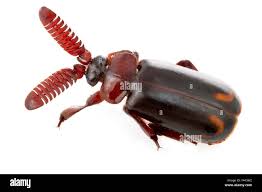
- Their antennae are often uniquely shaped, sometimes club-like or segmented, functioning as sensory organs adapted to life underground.
Together, these adaptations allow them to embed themselves deeply within the colony’s social network.
What Do Ant-Guest Beetles Eat?
Diet varies depending on the species, but most Paussinae are thought to live as:
Trophallactic Guests
They receive liquid food directly from worker ants, who feed them as if they were larvae or nestmates.
Larval Parasites
Some species specialise in feeding on ant larvae, eggs, or pupae. Their mimicry enables them to steal these resources without triggering an alarm.
Opportunistic Scavengers
They may also consume detritus, fungi, or other organic matter found inside nests.
However, their nutrition often depends so strongly on the ants that many bombardier ant-guest beetles cannot be raised in captivity outside their host nests.
Larval Life: Born to Deceive
The larvae of ant-guest Paussinae are as specialised as the adults. Their bodies are often flattened or armoured, and they, too, produce chemicals that reassure or manipulate the ants.
Some larvae are even more parasitic than the adults, living as brood predators that feed on the developing ant young while remaining undetected.
This suggests the relationship between beetles and ants is not always mutualistic—sometimes it leans toward parasitism, though many species appear to form neutral or even beneficial relationships.
Evolutionary Origins and Complexity
The partnership between ants and Paussinae beetles is an example of convergent evolution toward chemical integration. Over millions of years, these beetles evolved:
- Ant-colony mimicry
- Modified sensory organs
- New glandular structures
- Behavioural adaptations for living in the dark, tight environments of nests
Evolutionary biologists view them as a powerful example of how organisms can infiltrate and exploit complex social systems.
Ecological Significance
Although small and secretive, ant-guest beetles play important ecological roles:
1. Internal Regulators of Ant Colonies
By feeding on waste or sometimes on excess ant brood, they may help maintain colony hygiene or balance population dynamics.
2. Biodiversity Indicators
Because they are so specialised, their presence can indicate the health and complexity of ant communities.
3. Nutrient Cycling
They contribute to decomposition processes within the nest environment.
4. Evolutionary Case Studies
They are one of the best natural examples of sophisticated interspecies chemical communication.
Conservation Concerns
Paussinae beetles are often highly localised, found only in specific ecosystems—tropical forests, savannas, or woodlands. Habitat destruction, pesticide use, and climate change pose real threats to these tiny specialists.
Since they rely on healthy ant populations, any disruption to ant communities can lead to the decline or disappearance of ant-guest beetle species.
Conclusion: Nature’s Chemical Tricksters
The Bombardier Ant-Guest Beetle is a remarkable creature that combines explosive defence with delicate chemical diplomacy. Living inside ant colonies requires deception, mimicry, and evolutionary innovation—and these beetles excel at all three. Their lives unfold in darkness, hidden underground, yet their story is one of nature’s most astonishing examples of adaptation and interspecies interaction.
By studying them, scientists uncover insights into evolution, chemistry, symbiosis, and the complexity of social insect societies. And for naturalists and enthusiasts, the ant-guest beetles remind us just how much mystery and wonder still lie beneath our feet.