The Tamboti Tree (Spirostachys africana): Ecology, Uses, and Medicinal Significance
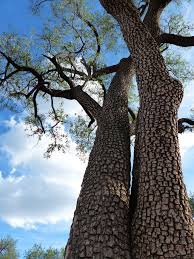
The Tamboti tree (Spirostachys africana) is one of southern Africa’s most intriguing and paradoxical trees. Revered for its durability and fragrance, yet feared for its toxicity, the Tamboti occupies a unique place in African ecology, traditional medicine, and cultural history. Commonly found in lowveld regions such as the Kruger National Park and surrounding savannas, this tree is both ecologically important and biologically fascinating.
Botanical Description and Identification
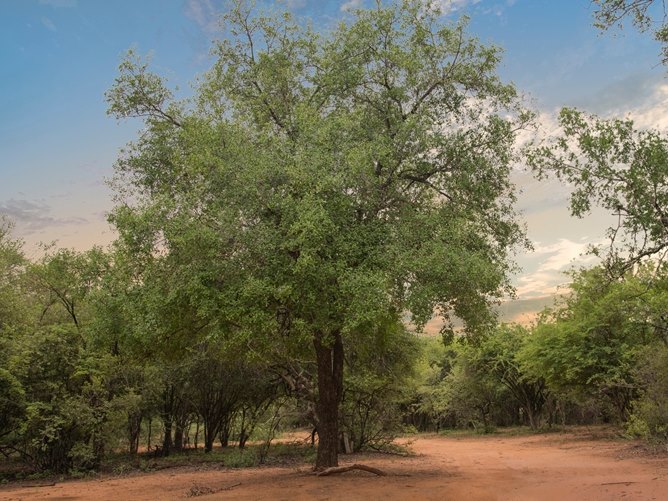
Tamboti is a medium-sized deciduous tree, typically reaching heights of 4–10 meters, although larger specimens can exceed this in favourable conditions. It belongs to the Euphorbiaceae family, a group known for species that produce toxic latex.
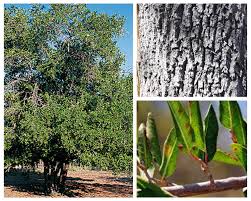
Key identifying features include:
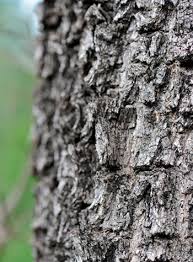
- Dark, rough bark that exudes a milky latex when cut
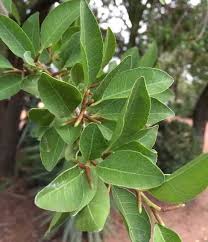
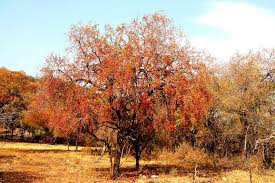
- Glossy, oval leaves that turn yellow before dropping in winter
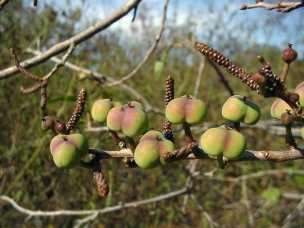
- Small, inconspicuous greenish flowers, usually appearing in spring
- Rounded capsules that split to release seeds
One of the most distinctive features of Tamboti is the sweet, resinous smell of its wood, especially when freshly cut or warmed by the sun.
Distribution and Habitat
Spirostachys africana is widespread across southern and eastern Africa, occurring in South Africa, Mozambique, Zimbabwe, Botswana, Zambia, and Tanzania. In South Africa, it is especially common in the Lowveld, thriving in areas such as Kruger National Park, Limpopo, and Mpumalanga.
Tamboti prefers:
- Well-drained sandy or alluvial soils
- Open woodland and savanna
- Riverine fringes and seasonal drainage lines
It is well adapted to hot, dry climates and plays an important role in mixed savanna ecosystems.
Ecological Significance
Role in Savanna Ecosystems
Tamboti contributes significantly to woodland structure and biodiversity. As a deciduous tree, it allows sunlight to reach the understory during winter, supporting grasses and herbaceous plants critical for grazers.
Its flowers and seeds provide food for insects, birds, and small mammals, while its dense canopy offers shade and shelter during the intense summer heat.
Relationship with Wildlife
Despite its toxicity, many animals interact with Tamboti in fascinating ways:
- Elephants occasionally push over Tamboti trees but generally avoid browsing heavily on them.
- Insects, including specialist beetles and caterpillars, have evolved to tolerate or exploit its toxic compounds.
- Birds use the tree for nesting and perching, benefiting from its sturdy branches.
Tamboti’s chemical defences reduce over-browsing, allowing it to persist even in areas with high herbivore densities.
Toxicity and Chemical Defences
Tamboti is infamous for its toxicity. All parts of the tree contain powerful diterpenoid toxins, particularly in the sap and wood. Smoke from burning Tamboti wood can cause:
- Severe headaches
- Nausea
- Eye irritation
- Temporary blindness in extreme cases
Historically, even sitting beneath a Tamboti tree while making a fire was known to cause illness if the wood was mistakenly used as fuel.
These toxins serve as an effective deterrent against herbivory and microbial attack, contributing to the tree’s remarkable durability.
Traditional and Practical Uses
Wood and Craftsmanship
Despite its toxicity, Tamboti wood has been highly prized for centuries. When properly seasoned, it becomes safe to handle and offers exceptional qualities:
- Extremely hard and termite-resistant
- Dark, richly colored heartwood
- Pleasant, spicy fragrance
It has traditionally been used for:
- Mortars and pestles
- Carved household items
- Furniture and flooring
- Musical instruments
In modern times, its use is often restricted or controlled due to conservation concerns.
Cultural Significance
In several African cultures, Tamboti has been associated with:
- Protection and spiritual power
- Warnings and taboos
- Traditional rituals
Its dangerous properties inspired respect, and knowledge of how to use it safely was passed down through generations.
Medicinal Significance
Traditional Medicine
Despite its toxicity, Tamboti has long been used in traditional African medicine, under careful control by experienced healers.
Medicinal applications include:
- Treatment of stomach ailments (very small doses)
- External applications for skin conditions
- Use as a purgative or emetic
- Remedies for intestinal parasites
The latex and bark were most commonly used, though improper dosing could be fatal. This highlights the deep ethnobotanical knowledge required to use the plant safely.
Pharmacological Interest
Modern research has identified bioactive compounds in Spirostachys africana with:
- Antimicrobial properties
- Potential anti-inflammatory effects
- Cytotoxic activity, of interest in cancer research
While these compounds show promise, their high toxicity means that pharmaceutical applications require careful refinement and dosage control.
Conservation Status and Threats
Tamboti is not currently classified as endangered, but localised pressures exist. Threats include:
- Overharvesting for wood
- Habitat loss due to agriculture and development
- Illegal cutting in protected areas
In national parks like Kruger, Tamboti populations remain stable, benefiting from legal protection and natural ecological processes.
Tamboti in the Safari Landscape
For visitors on safari, Tamboti is often an unseen but essential component of the ecosystem. Its shade shelters animals, its structure supports birdlife, and its presence reflects a healthy, functioning savanna.
Guides often share Tamboti stories around the campfire—ironically warning guests never to burn it—making it a memorable example of how knowledge of nature can mean the difference between danger and survival.
Conclusion
The Tamboti tree (Spirostachys africana) embodies the dual nature of the African wilderness: beautiful yet dangerous, useful yet toxic. Its ecological role, cultural importance, and medicinal potential make it one of southern Africa’s most remarkable trees.
Understanding Tamboti deepens our appreciation for the complexity of savanna ecosystems and the profound traditional knowledge developed by the people who have lived alongside these landscapes for centuries. Like many elements of the wild, Tamboti commands respect—rewarding those who understand it and punishing those who do not.