Self-Drive Safari Tips for Kruger National Park (From a Field Guide)
Most people get self-driving in Kruger National Park wrong. Not because they lack enthusiasm—but because they approach it like a checklist. Drive fast, cover distance, tick off animals. That mindset guarantees average results.
A proper safari—one that actually delivers consistent, high-quality sightings—runs on a completely different operating system. It’s slower, more deliberate, and built on reading the bush instead of chasing it.
Here’s how that shift works in practice.
Stop Driving. Start Seeing.
The biggest mistake is simple: too much movement.
Covering ground feels productive, but it kills your awareness. Wildlife doesn’t announce itself. It reveals itself in fragments—movement in grass, tension in prey, birds reacting overhead. If you’re always moving, you miss the story.
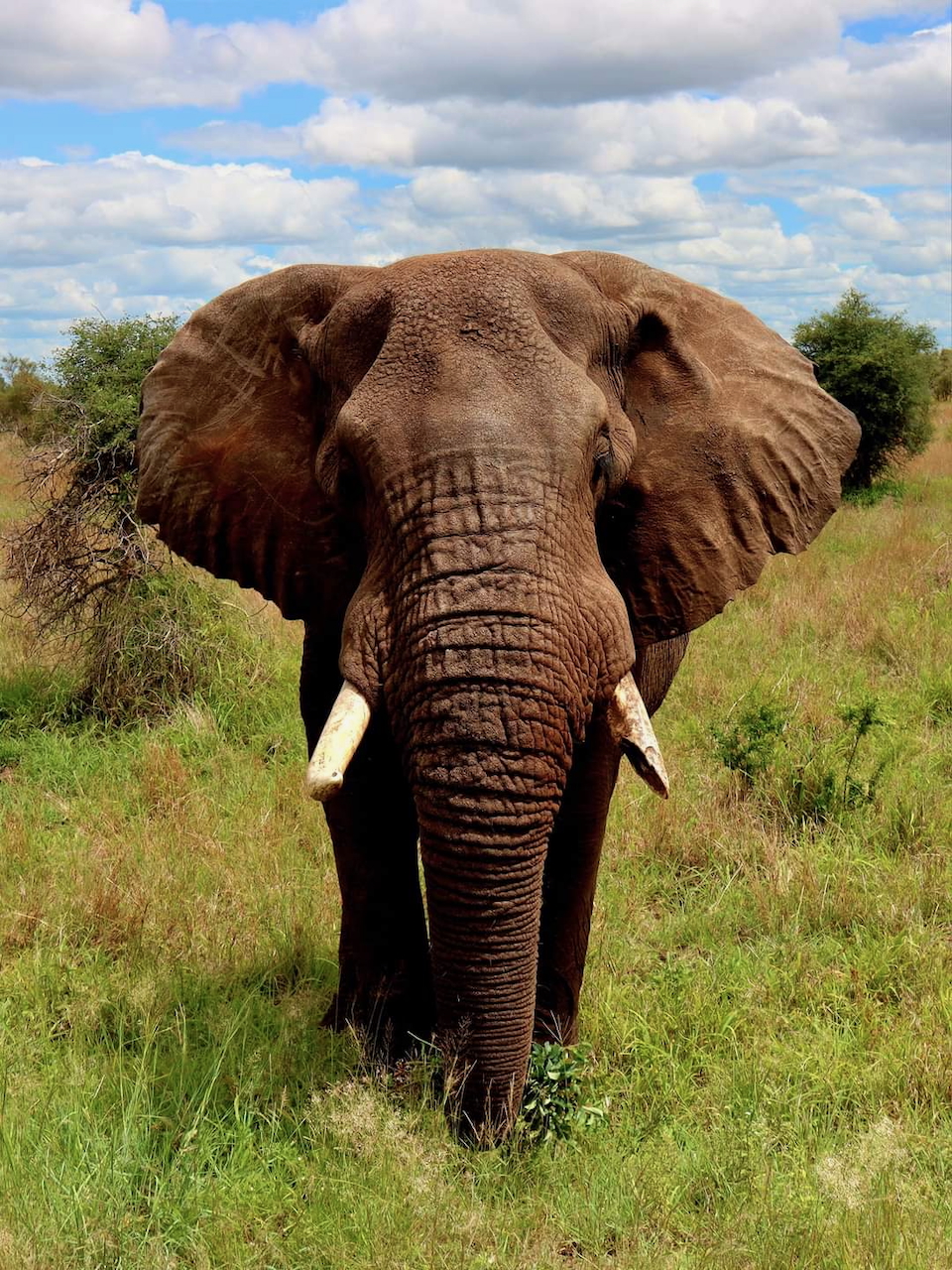
There’s a real-world example that proves the point. Guests once drove non-stop from Skukuza to Satara, convinced they’d had a “quiet day.” In reality, they passed multiple elephant herds, lions, even a leopard—without registering any of it. When they finally stopped for just ten minutes, everything changed. A bull elephant interacting with his herd unfolded in front of them. Same environment, different outcome—because they stopped long enough to observe.
Driving less isn’t passive. It’s strategic. Every stop is an opportunity to read behaviour, not just take photos.
The First Two Hours Decide Everything
If you’re not out at sunrise, you’re already behind.
Early morning is when the bush is active and honest. Predators are still hunting, prey is alert, and the temperature hasn’t shut everything down. After that window, activity drops sharply.
There are mornings where everything happens fast—lion hunts, elephant movement, birds working the airspace. Miss that window, and you spend the rest of the day trying to catch up. You won’t.
The takeaway is blunt: your alarm clock matters more than your route.
Loops Beat Distance Every Time
Driving from point A to B is lazy strategy. It assumes wildlife will conveniently cross your path once.
Loops change the game.
They allow you to re-enter productive areas, pick up on movement patterns, and encounter the same animals in different behavioural states. A herd grazing quietly can become a river crossing later. A relaxed scene can turn dynamic if you give it time.
This isn’t luck—it’s probability management. Circular routes multiply your chances. Straight lines reduce them.
Crowds Kill Behaviour
When vehicles stack up, animals shut down or disappear. What you’re left with is a diluted, artificial version of the sighting.
Most people chase that chaos. That’s a mistake.
The smarter move is distance and positioning. Stay back. Let the pressure dissipate. Animals relax when the noise fades. And when they do, the real behaviour returns—interaction, movement, natural rhythm.
There was a lion sighting near Satara that illustrates this perfectly. A convoy pushed in, and the pride vanished. By repositioning quietly downwind and waiting, the lions re-emerged—calm, interacting, completely different experience.
Patience here isn’t optional. It’s the difference between seeing animals and witnessing behaviour.
The Bush Talks—Most People Don’t Listen
Predators are often invisible until they aren’t. The giveaway isn’t the predator—it’s everything around it.
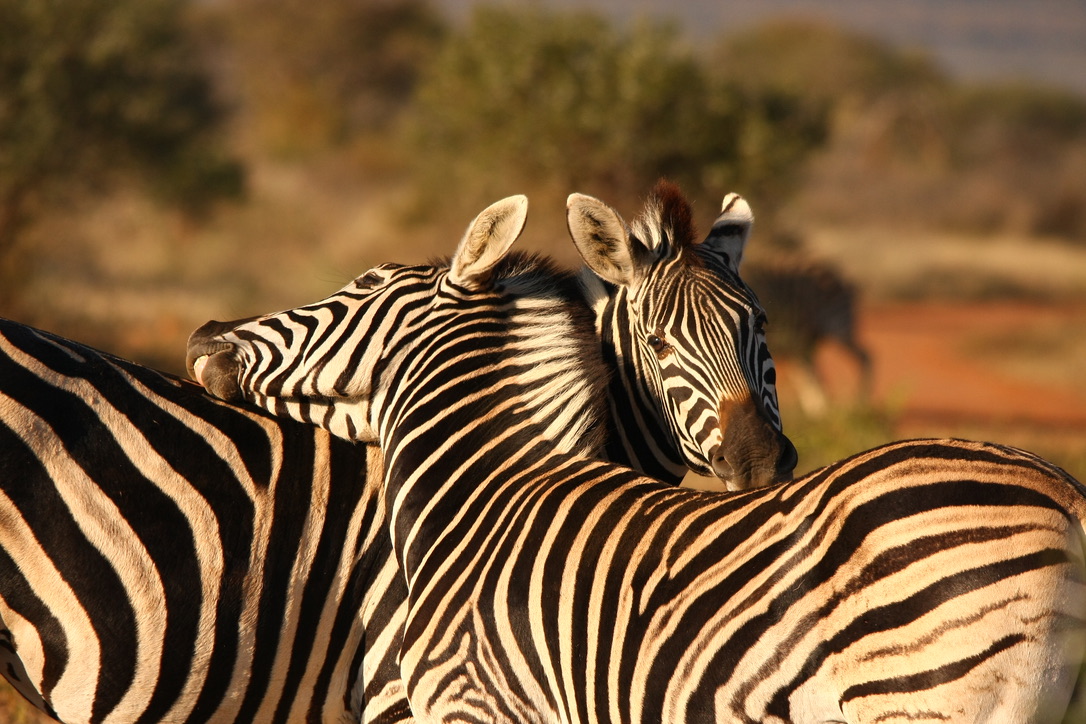
Birds circling. Impala freezing. Zebra staring. These are signals, not background noise.
Ignore them, and you rely on luck. Read them, and you start predicting movement.
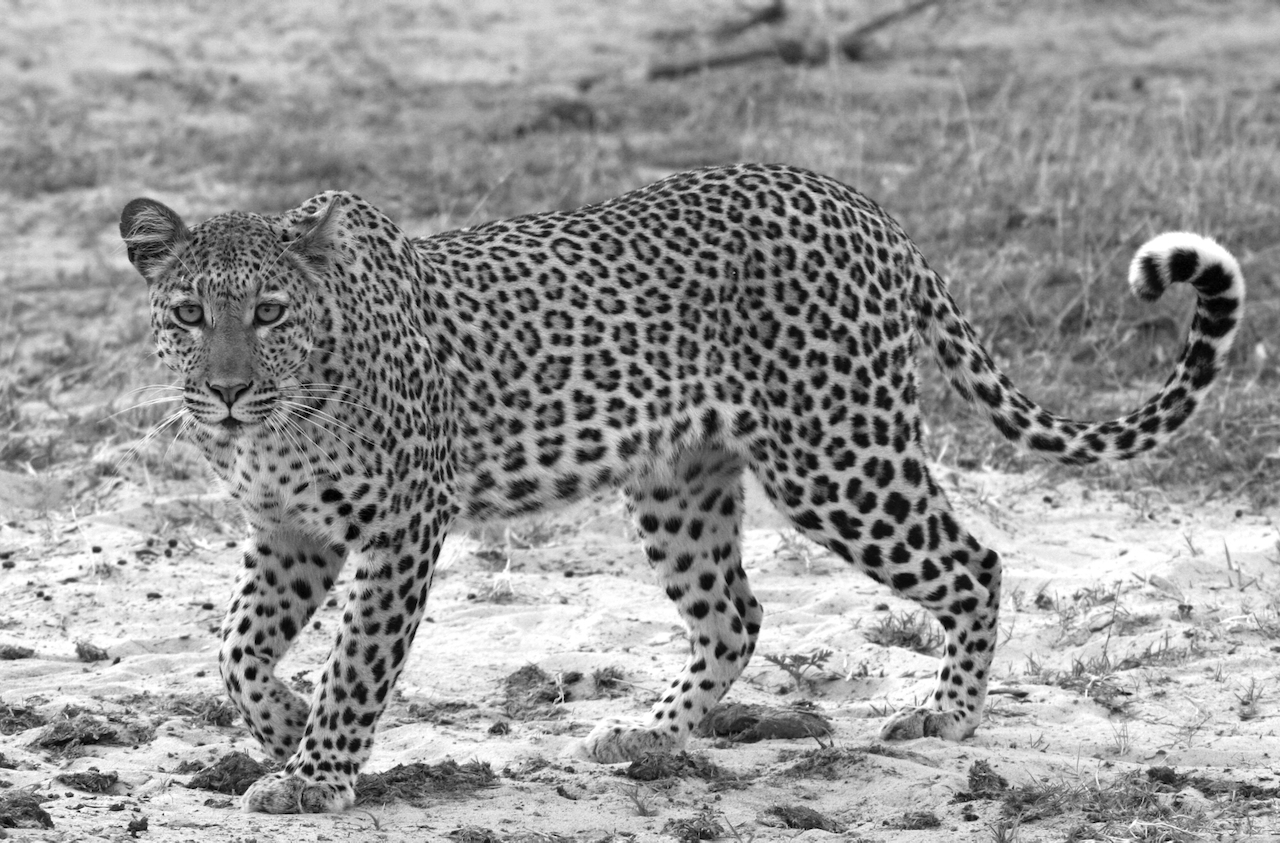
At one waterhole, impala suddenly locked their attention in one direction. That tension wasn’t random. Minutes later, a leopard emerged exactly where they were looking. The sighting didn’t start when the leopard appeared—it started when the prey reacted.
If you’re only scanning for big animals, you’re already late.
Water Is Where Stories Happen
Waterholes aren’t just drinking points—they’re interaction zones.
Different species converge, overlap, and negotiate space. That’s where behaviour unfolds—elephants asserting dominance, buffalo shifting in groups, hippos holding territory.
Most drivers stop briefly, see nothing dramatic, and move on. That’s short-term thinking.
The real payoff comes from staying put. Let the scene build. Let animals arrive on their own schedule. Extended observation consistently beats constant movement.
There are situations where you don’t move for an hour—and it becomes the best hour of the day.
Positioning Is a Skill, Not an Accident
Where you place your vehicle determines what you actually see.
Angle affects detail. Light affects visibility. Distance affects behaviour.
Too close, and you pressure the animal. Too far, and you lose nuance. Wrong angle, and you miss critical detail. Poor light, and the entire scene flattens.
A simple adjustment—positioning at an angle instead of head-on—can reveal subtle behaviour: ear flicks, tail movement, micro-reactions that tell you what’s about to happen next.
This is where average sightings become high-level ones.
The Timing Framework Most People Ignore
The bush runs on a predictable daily rhythm, and ignoring it costs you sightings.
Early morning: high activity, predator movement, feeding behaviour.
Midday: reduced movement, subtle behaviour, track reading becomes more valuable.
Late afternoon: activity returns, especially around water.
Evening: another spike in predator movement.
Most visitors don’t adjust their strategy across these phases. They drive the same way all day—and get inconsistent results.
Adaptation is the edge.
The Real Shift: From Tourist to Operator
The difference isn’t gear, luck, or even experience—it’s mindset.
Tourists chase animals. Operators read systems.
Tourists react to sightings. Operators anticipate them.
Tourists measure success in quantity. Operators measure it in quality and behaviour.
If you slow down, position deliberately, and pay attention to the signals the bush is constantly giving you, everything changes. You stop guessing. You start understanding.
And once that switch flips, you don’t go back.
If you want consistent, repeatable results in Kruger National Park, stop trying to see more. Start trying to see better.