Kruger Safari Mastery: How to See More Wildlife Than 90% of Visitors
Most visitors to Kruger National Park leave with good sightings. A few leave with unforgettable ones. The difference is not luck. It is method, timing, and discipline. If you approach Kruger like a tourist, you will see what everyone else sees. If you approach it like a field guide, you will consistently outperform 90% of visitors.
This is how you do it?
Start by abandoning the “checklist safari” mindset. Chasing the Big Five in a short time frame is the fastest way to sabotage your results. Wildlife does not operate on your schedule. The moment you relax your urgency, your awareness improves. Instead of racing from sighting to sighting, you begin to read the bush. That is where the real advantage lies.
Timing is the first lever you control. Most visitors are late out of the gate and early back to camp. That is a mistake. The bush is most active in the margins of the day. Predators move in the cold hours, prey species are alert, and bird activity peaks. If you are not at the gate before opening, you are already behind. Similarly, the last hour before gate closing often produces the best sightings of the day. Commit to full drives, not convenience drives.
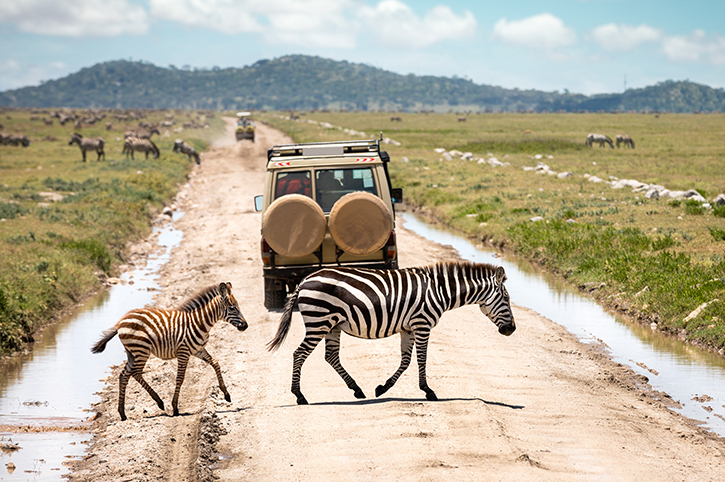
Route planning separates amateurs from professionals. The average visitor sticks to tar roads and popular loops. You should not. Gravel roads consistently produce better, more intimate sightings. They are quieter, less crowded, and force slower driving, which increases detection rates. Learn a core network around your camp rather than driving aimlessly across the park. Depth beats distance every time.
Now focus on the skill that changes everything: tracking through observation. You are not just looking for animals; you are looking for evidence of animals. Fresh tracks on the road tell you direction and recency. Alarm calls from species like Impala or Vervet Monkey indicate predators in the area. A herd of Wildebeest staring in one direction is not random. It is information. Most people ignore this. You should not.
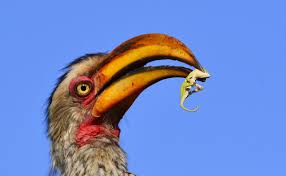

Birds are your early warning system. Species like the Fork-tailed Drongo and Southern Yellow-billed Hornbill often follow larger animals and predators. Vultures circling or perched low are a dead giveaway of a kill site. If you train yourself to read bird behaviour, your predator sightings will increase dramatically.
Another hard truth: speed kills sightings. The majority of visitors drive too fast. At 40–50 km/h, you will miss subtle movement, camouflaged animals, and behavioural cues. Drop your speed, especially in productive habitats like riverine zones and mixed woodland. The goal is not to cover ground. The goal is to extract value from every kilometre.
Stop more often than you think you should. When you stop, the bush settles. Animals that were hidden begin to move. Sounds become clearer. This is when you pick up the distant contact call of a Lion or the bark of a Baboon reacting to a predator. Static observation is a force multiplier, yet almost nobody uses it effectively.
Positioning at sightings is another overlooked skill. When you arrive at a crowded sighting, do not just accept the first available angle. Think about light, animal movement, and exit routes. If a Leopard is moving through drainage lines, get ahead of it instead of sitting behind a cluster of vehicles. Anticipation beats reaction.
Weather and seasonality matter more than most people realise. In the dry winter months, water sources concentrate wildlife. In summer, food is abundant, and animals disperse, but predator-prey interactions increase with dense cover. Adjust your strategy accordingly. There is no “bad” season, only poor adaptation.
You also need to manage your expectations around sighting density. Long stretches with little activity are normal. The mistake is breaking your discipline during these periods. Stay consistent with your method. The bush rewards patience, not desperation.
Technology should support you, not distract you. Use a good map and, if necessary, a sightings app, but do not chase every reported animal. By the time you arrive, the dynamic has usually changed. Build your own sightings through skill, not dependency.
If you want to accelerate your learning curve, you need guided exposure. This is where operators like Intrepid Odyssey provide a clear advantage. A professional guide compresses years of experience into days. You learn how to interpret tracks, position vehicles, and anticipate animal behaviour in real time. That knowledge compounds long after the safari ends.
Finally, understand this: mastery of Kruger is not about seeing more animals once. It is about building a repeatable system. When you combine early starts, strategic routing, behavioural awareness, disciplined driving, and patience, your baseline improves permanently. You stop relying on luck and start engineering outcomes.
Most visitors will continue to drive too fast, start too late, and follow the crowd. That is why they remain in the 90%. If you apply these principles consistently, you will not.