How Prey Species Avoid Lions, Leopards, and Hyenas
Life on the African savanna is a constant balancing act between feeding, breeding, and staying alive. For prey species, survival depends not on strength or sharp teeth, but on awareness, strategy, and an extraordinary suite of behavioural adaptations. Lions, leopards, and hyenas are among Africa’s most efficient predators, yet the landscape remains full of antelope, zebras, and other herbivores that have evolved clever ways to avoid becoming a meal.
Understanding how prey species evade these predators offers a fascinating insight into the invisible chess match that plays out daily in the bush.
The Arms Race of Predator and Prey
Predators and prey evolve together in a continuous arms race. As predators become more effective hunters, prey species respond with improved detection, escape tactics, and social strategies. Over thousands of years, this dynamic has shaped everything from the placement of eyes on a wildebeest’s head to the tight-knit herding behaviour of impala.
Avoidance, rather than confrontation, is the primary survival strategy. Most prey animals cannot fight back effectively, so their goal is simple: detect danger early and escape efficiently.
Early Warning Systems: Seeing, Hearing, and Smelling Danger
Wide Vision and Vigilance
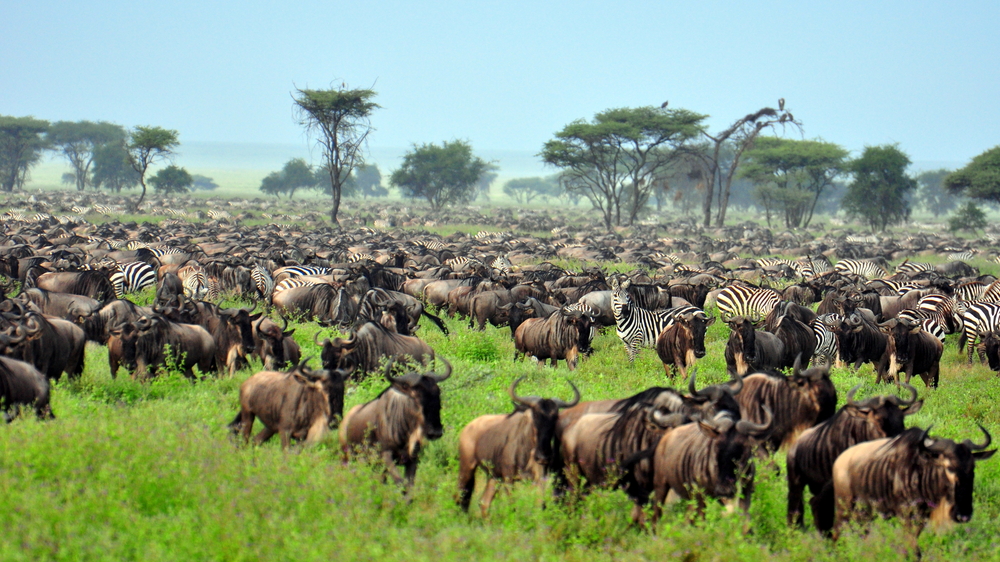
Many prey species have eyes positioned on the sides of their heads, giving them an almost 300-degree field of vision. This allows animals like impala, zebra, and wildebeest to monitor their surroundings while grazing. Although this reduces depth perception, it dramatically improves predator detection.
Group living enhances this advantage. In a herd, individuals take turns being vigilant while others feed. The more eyes scanning the bush, the higher the chance of spotting a stalking lion or an approaching hyena in time.
Acute Hearing and Smell
Prey animals rely heavily on sound. The snap of a twig, the alarm call of a bird, or the sudden silence of the bush can all signal danger. Some antelope species will freeze instantly when they detect unfamiliar sounds, assessing whether the threat is real before fleeing.
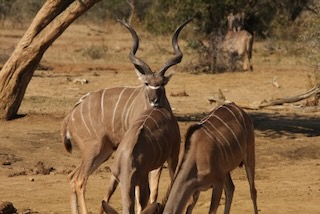
Smell also plays a crucial role. Predators carry distinctive scents, and animals such as kudu and bushbuck can detect lions long before they are visible, especially when the wind is favourable.
Avoiding Lions: Escaping the Power Hunters
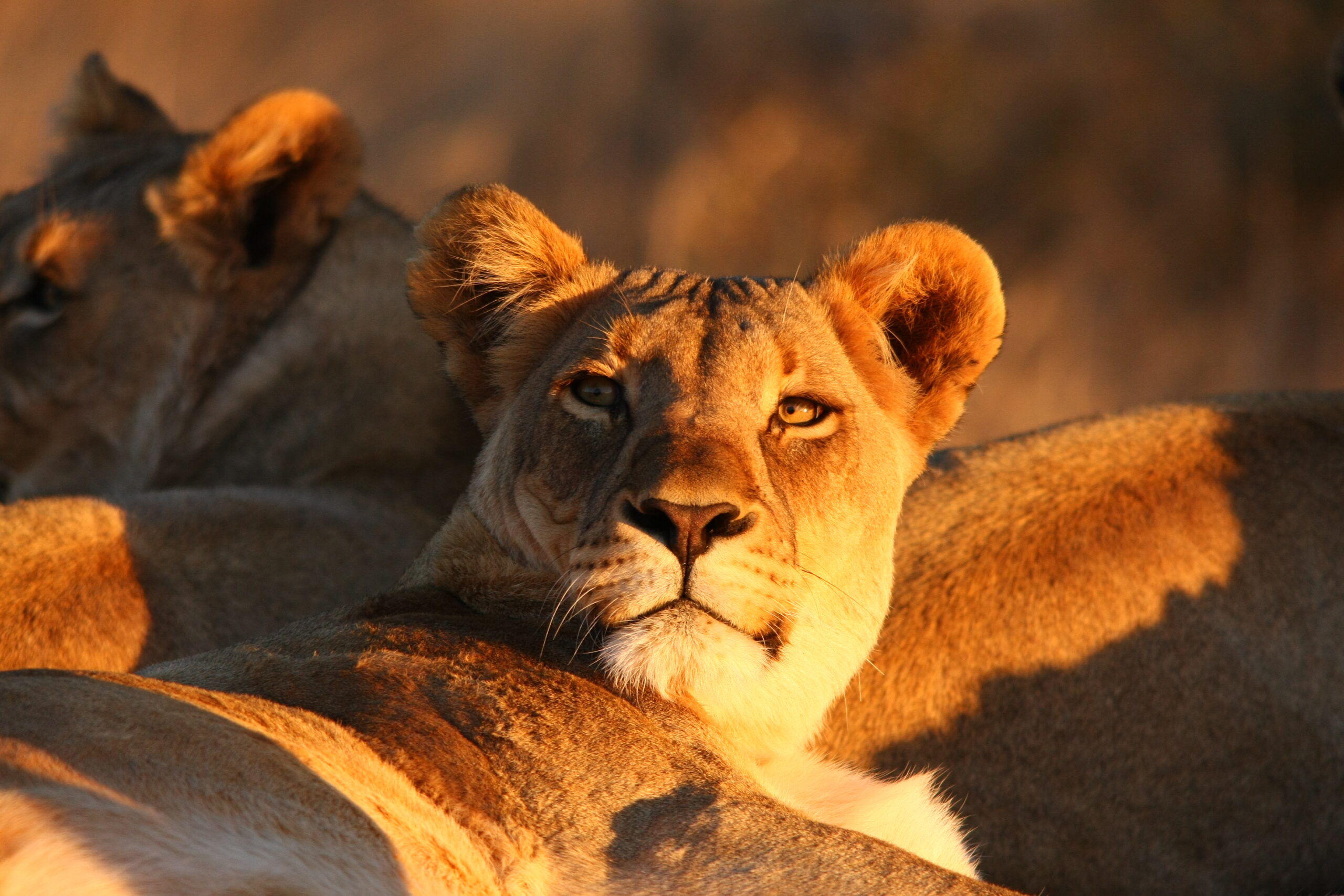
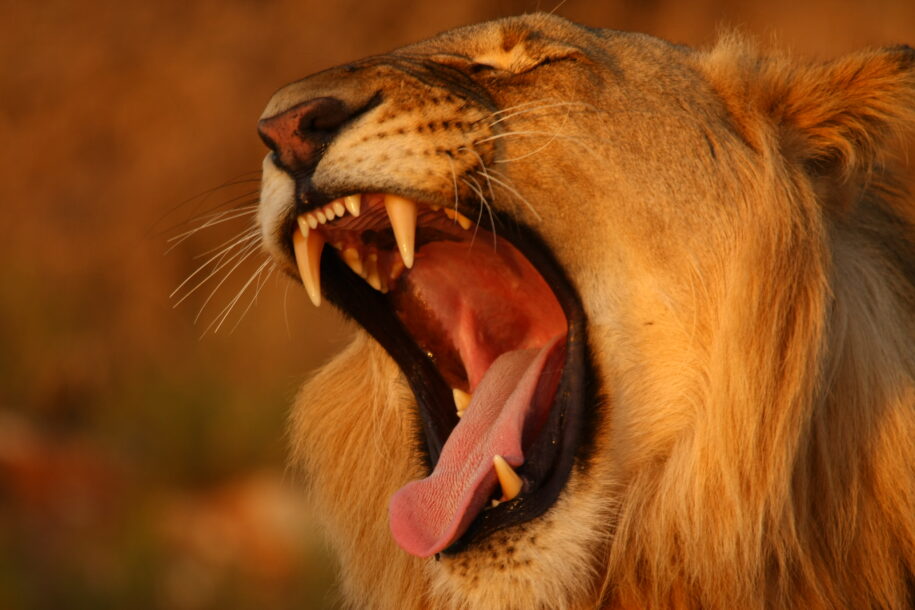
Lions rely on strength, teamwork, and ambush. They hunt primarily in open habitats such as grasslands and savannas, using cover and coordinated attacks to overwhelm prey.
Distance and Open Space
Many prey species reduce risk by keeping a safe distance from dense vegetation where lions can hide. Grazing in open areas allows herbivores to spot predators early and run before lions can close the gap.
Speed and Endurance
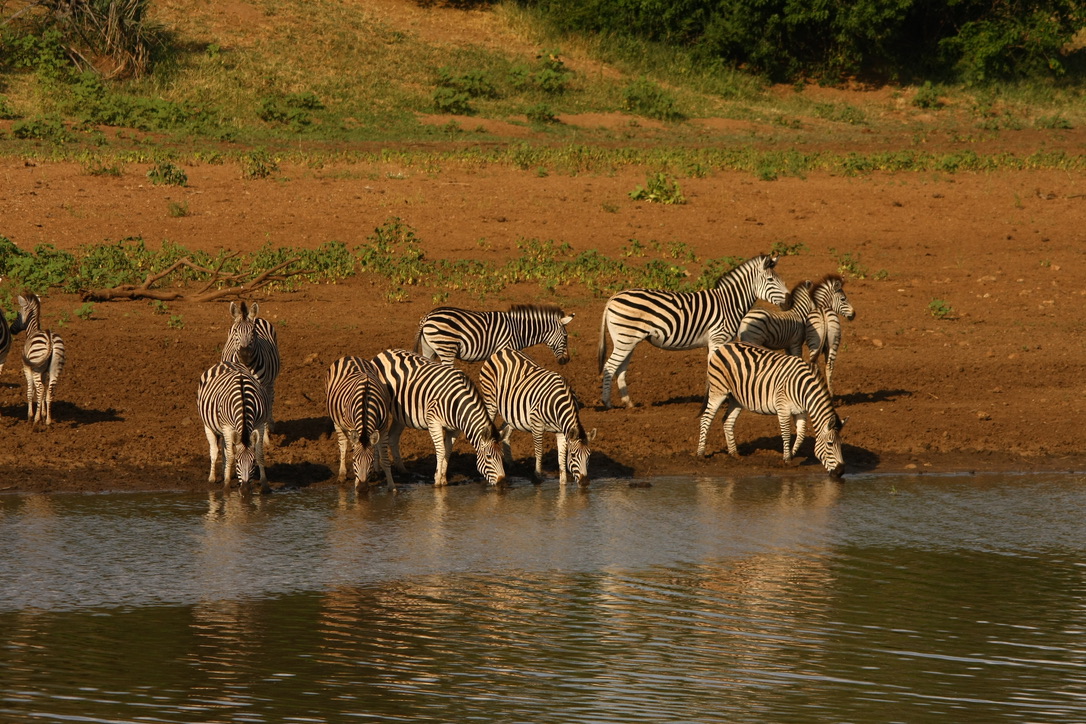
Zebras, wildebeest, and many antelope species are built for speed and stamina rather than brute force. While lions are powerful sprinters, they tire quickly. If prey can outrun a lion for even a short distance, they often survive.
Herd Confusion
When lions attack herds, prey animals scatter in multiple directions. This confusion makes it harder for lions to focus on a single target. Young, old, or injured animals are most vulnerable, which is why many species synchronise calving seasons to overwhelm predators with abundance.
Outsmarting Leopards: Beating the Stealth Specialist
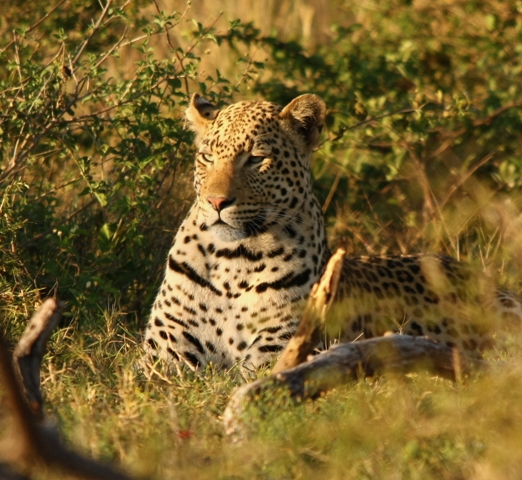
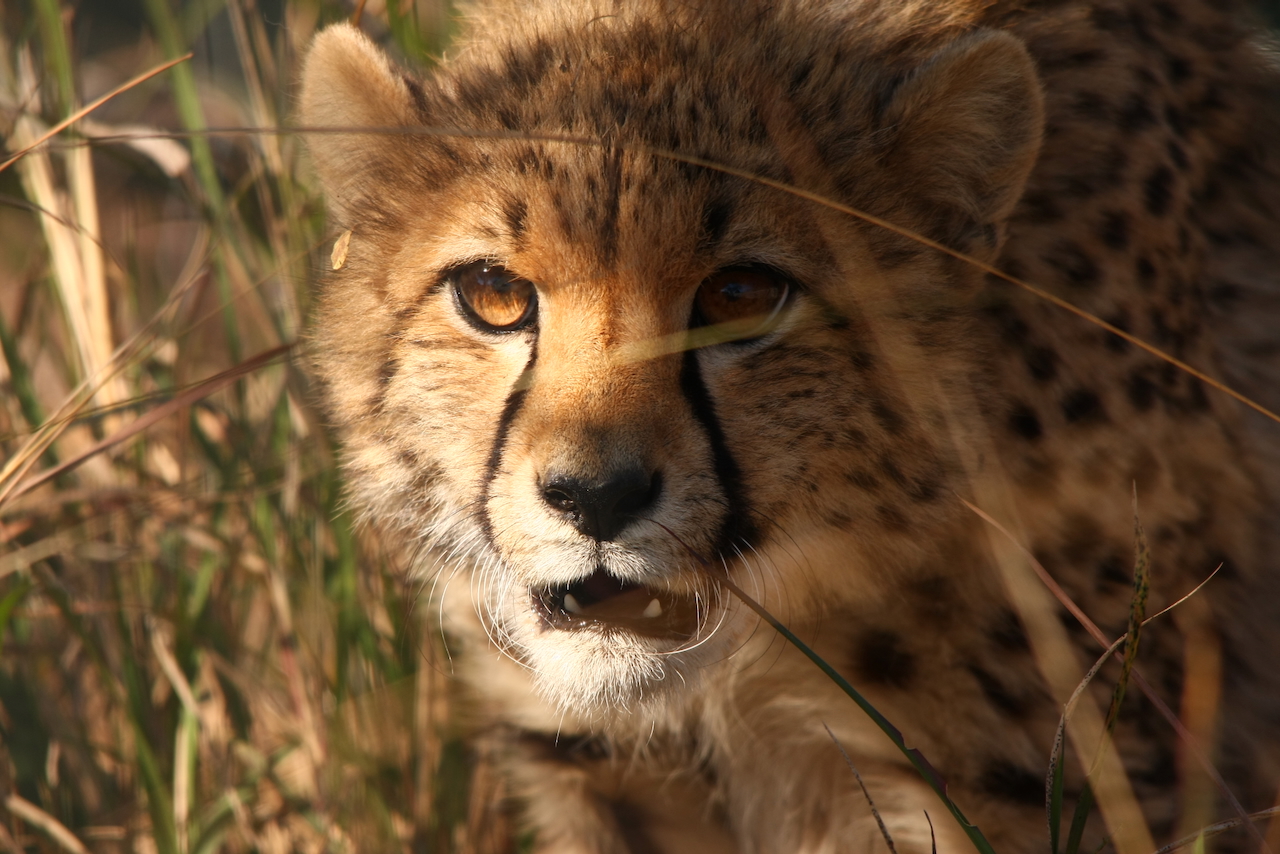
Leopards are solitary, stealthy, and incredibly adaptable. They prefer ambush hunting and are capable climbers, making them particularly dangerous in wooded and riverine habitats.
Height Awareness
Many prey species are acutely aware of vertical space. Bushbuck and impala often scan trees and rocky outcrops where leopards like to rest. Alarm calls are frequently triggered by movement above ground level, not just on it.
Staying in Groups
Leopards prefer to hunt alone and typically target isolated individuals. Herding behaviour reduces this risk. Even species that normally browse alone, such as kudu, become more vigilant and cluster loosely in leopard-rich areas.
Timing Activity
Leopards are most active at night and during twilight hours. Some prey species adjust their feeding times accordingly, becoming more active during full daylight when visibility is higher, and ambush is harder.

Evading Hyenas: Outsmarting the Opportunists
Spotted hyenas are often misunderstood. While they are formidable hunters, they are also highly intelligent, adaptable, and persistent.
Alertness Over Distance
Unlike lions, hyenas can pursue prey over longer distances. Prey species often respond by detecting hyenas early rather than relying on outrunning them. Alarm calls, tight group formation, and coordinated movement are effective deterrents.
Defensive Grouping
Species such as wildebeest and zebra will sometimes face hyenas as a group, using numbers to intimidate them. Hyenas are less likely to attack when the odds are uncertain.
Choosing Safe Terrain
Many prey animals avoid areas where hyenas are particularly effective, such as narrow game paths or heavily used waterholes at night. Timing visits to water during daylight reduces ambush risk.
Alarm Calls and Communication
Communication is one of the most powerful anti-predator tools. Many species use specific alarm calls to indicate different predators. Vervet monkeys are famous for this, but antelope and birds also play a role in the wider warning network of the bush.
These calls don’t just warn their own species—other animals often respond as well. A snorting impala or barking kudu can alert an entire ecosystem that danger is nearby.
The Cost of Staying Alive
Avoiding predators comes at a cost. Time spent watching for danger is time not spent feeding or resting. Living in groups increases competition for food. Running consumes valuable energy. Yet these costs are outweighed by the ultimate benefit: survival.
Predators, in turn, adapt to these defences, becoming better stalkers, more patient hunters, and more strategic thinkers. The result is a finely balanced system where neither side truly “wins.”
A Delicate Balance in the African Bush
The interaction between prey species and predators like lions, leopards, and hyenas is one of the defining features of African ecosystems. Every flick of an ear, sudden sprint, or alarm call reflects thousands of years of evolutionary pressure.
For safari-goers, these moments often unfold subtly: a herd suddenly stiffens, birds take flight, or antelope stare intently into the bush. These are not random actions—they are the visible signs of an ancient survival game playing out in real time.
Understanding how prey species avoid predators adds depth to every wildlife encounter and highlights the remarkable intelligence and adaptability of Africa’s animals. In the savanna, survival is not about dominance—it’s about awareness, cooperation, and knowing when to run.