
Everything You Never Knew About Hyenas
When most people think of hyenas, they imagine a cowardly scavenger skulking around after lions, stealing leftovers and laughing maniacally in the darkness. Hollywood has done these remarkable animals no favours. From animated films to wildlife myths passed down for generations, hyenas have earned a reputation as one of Africa’s most misunderstood creatures.
The reality couldn’t be more different. Hyenas are among Africa’s most intelligent predators, possess incredibly complex social structures, and play one of the most important roles in maintaining healthy ecosystems. Without them, Africa’s wilderness would be a far dirtier, more disease-ridden place.
The next time you hear the eerie whooping calls of a hyena echoing across the African night, you’ll know you’re listening to one of nature’s greatest success stories.
There Isn’t Just One Type of Hyena
Many people are surprised to learn that there are four different species of hyena, each occupying a unique ecological niche.
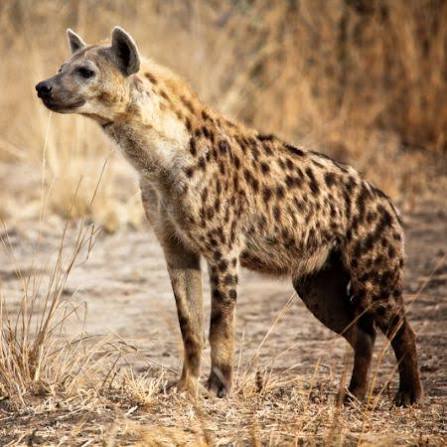
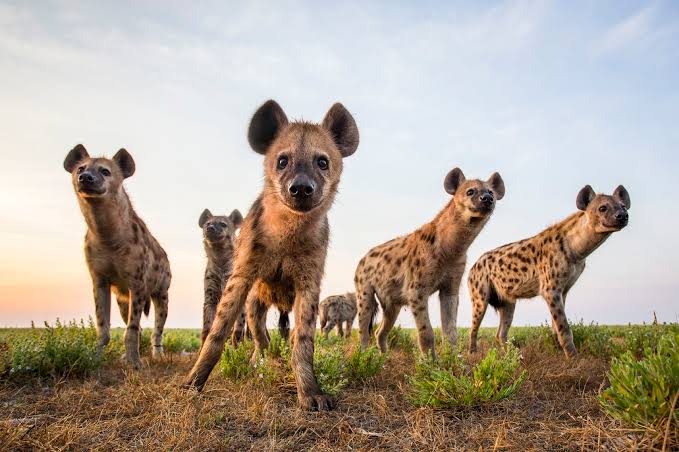
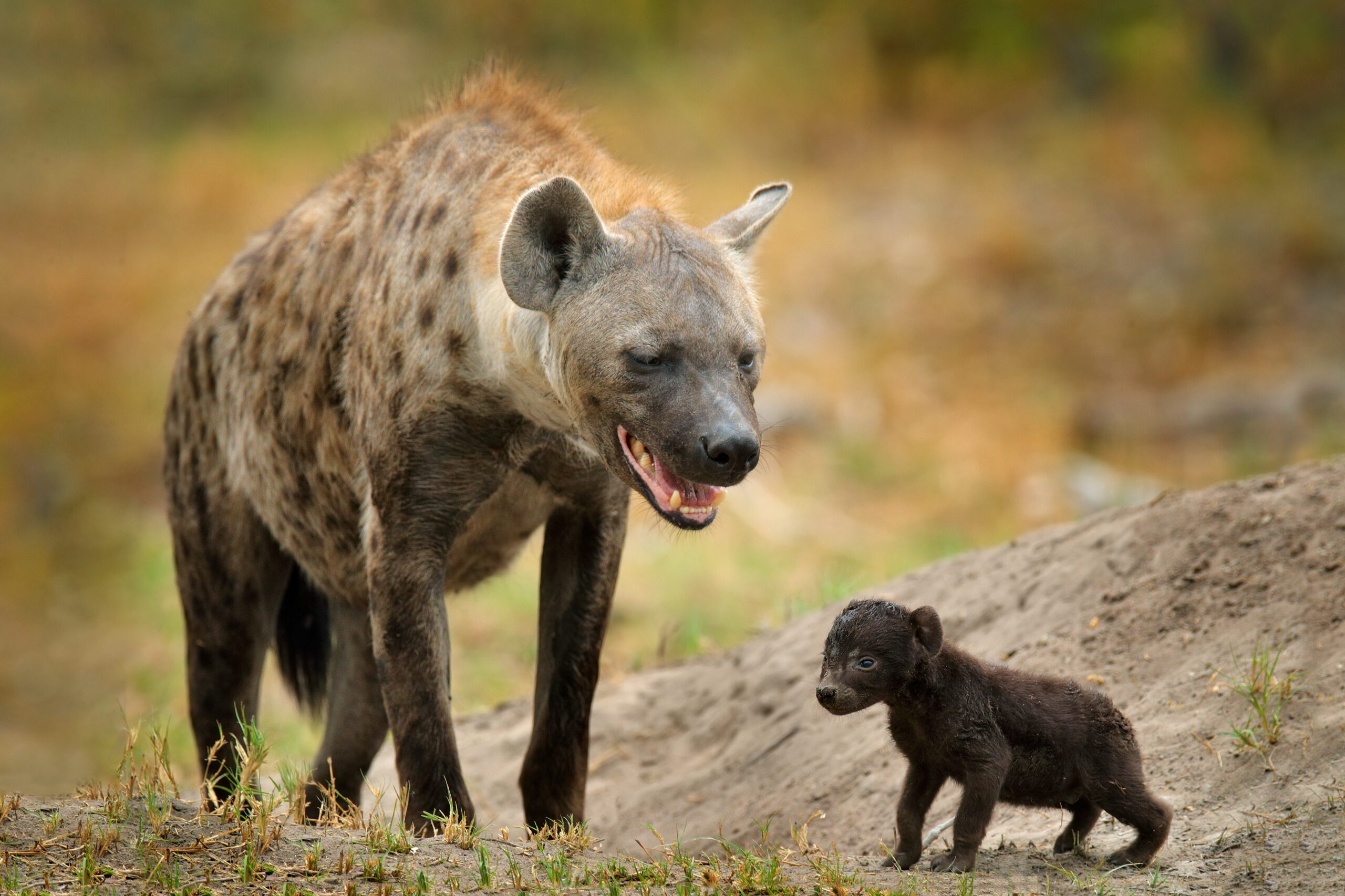
Spotted Hyena (Crocuta crocuta)
The largest and most widespread species, found throughout much of sub-Saharan Africa, including the Kruger National Park. These are the famous “laughing” hyenas and the ones most safari guests encounter.
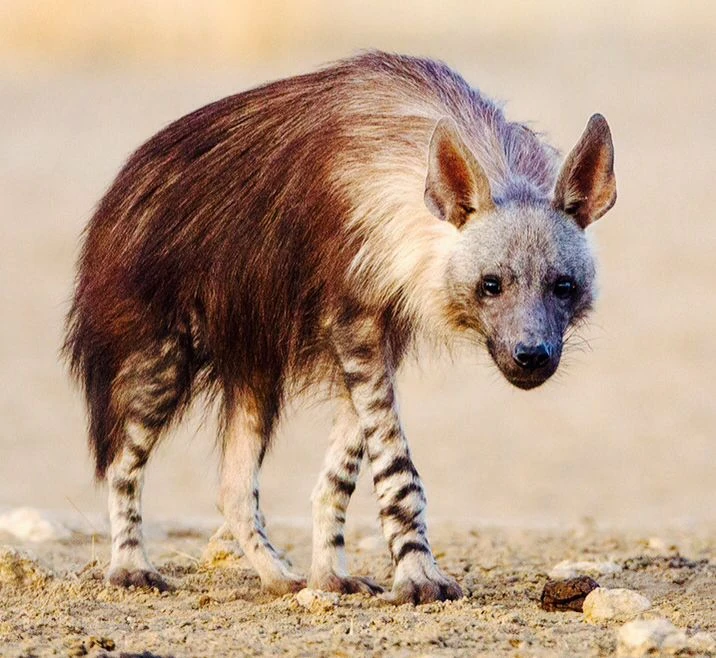
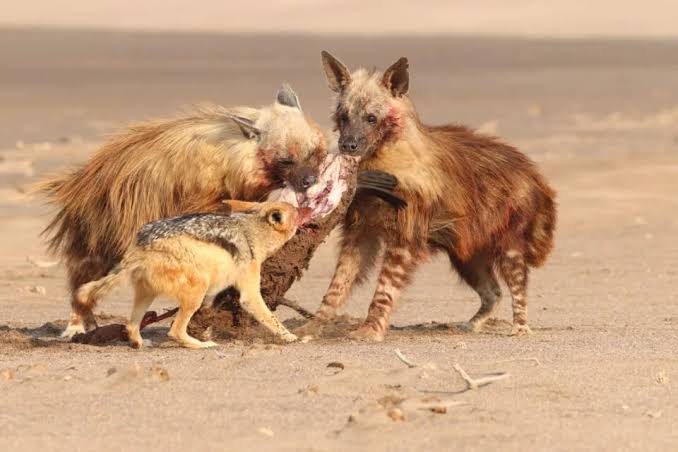
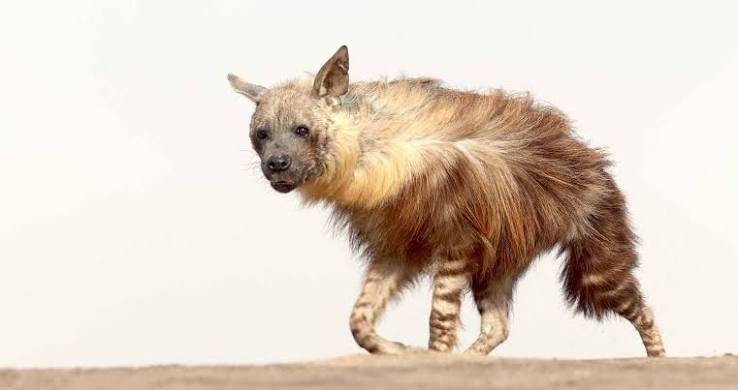
Brown Hyena (Parahyaena brunnea)
Found mainly in southern Africa’s deserts and semi-arid regions, brown hyenas have shaggy coats and are exceptional scavengers capable of travelling enormous distances in search of food.
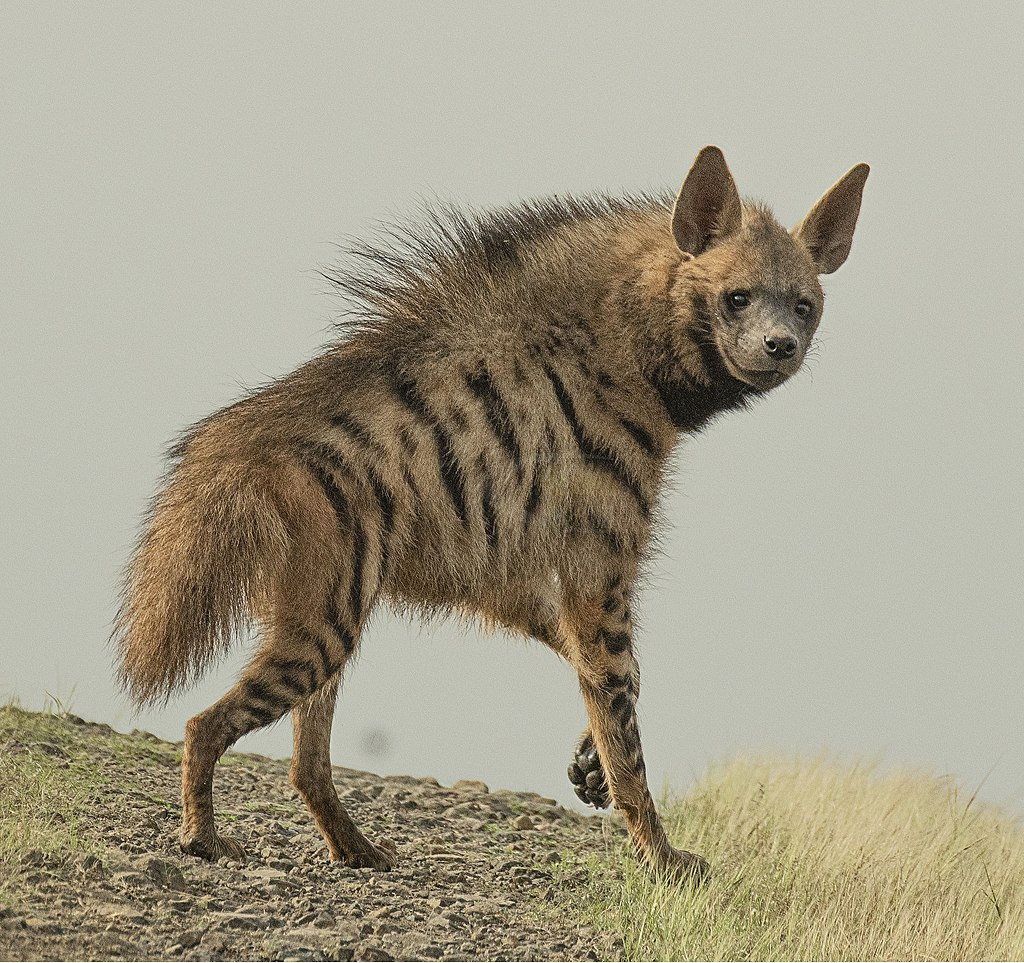
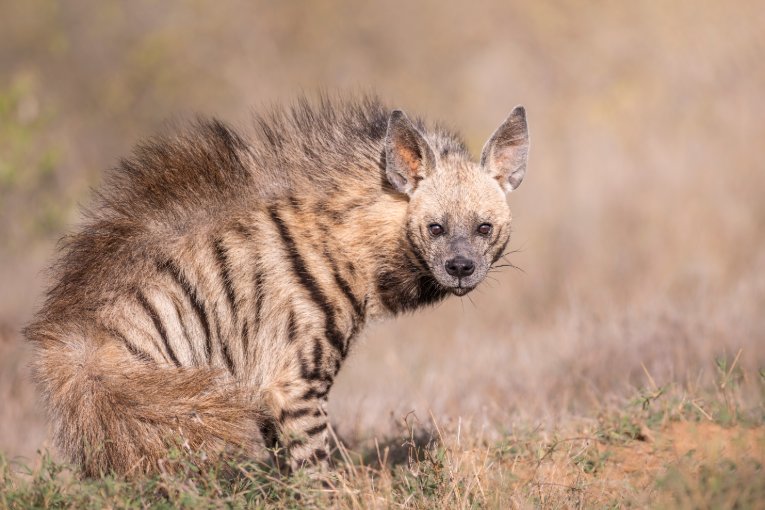
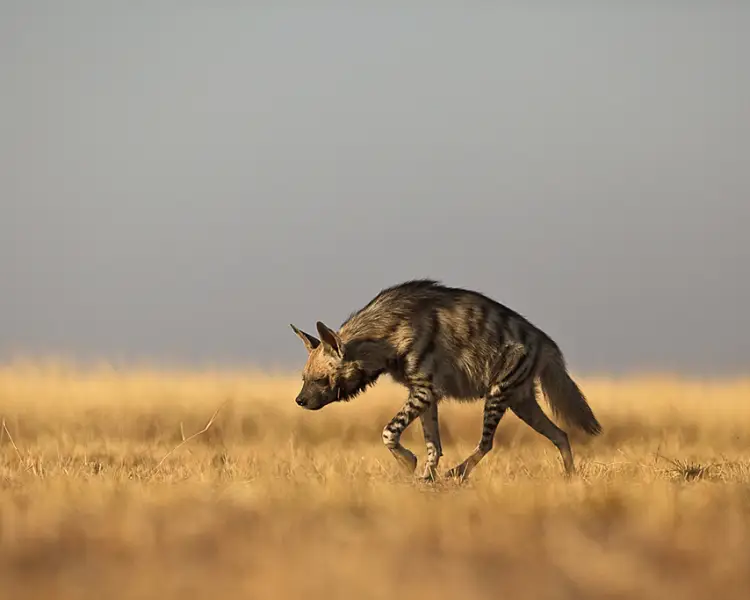
Striped Hyena (Hyaena hyaena)
Occurring across North and East Africa, the Middle East and into Asia, striped hyenas are generally solitary and far more secretive than their spotted cousins.
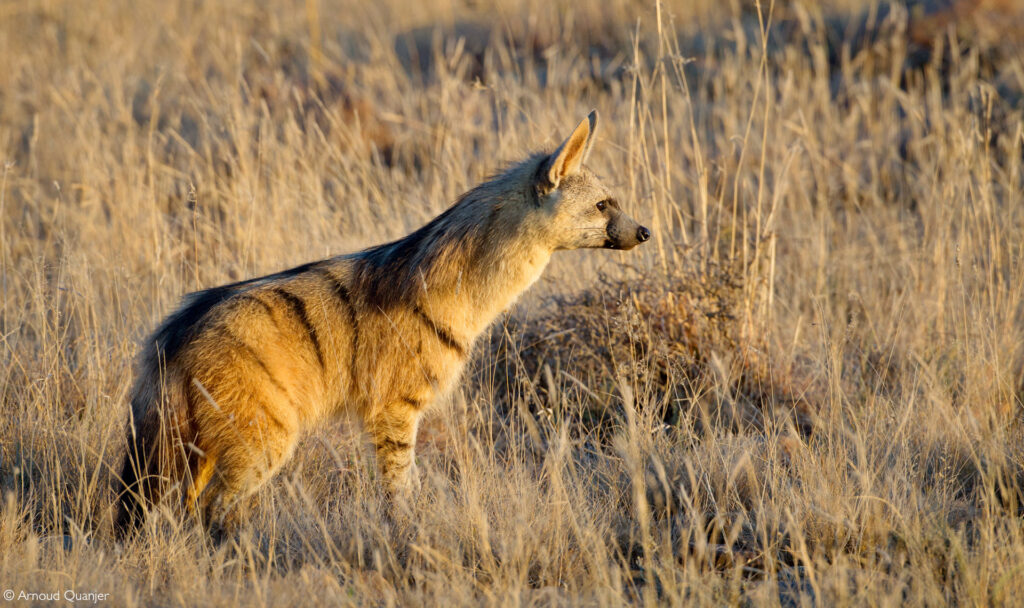
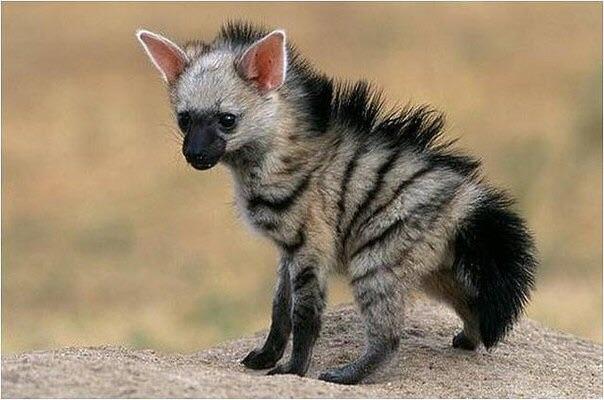
Aardwolf (Proteles cristata)
Despite belonging to the hyena family, aardwolves hardly resemble their larger relatives in behaviour. They feed almost exclusively on termites, consuming over 300,000 termites in a single night.
Hyenas Are Hunters First, Scavengers Second
Perhaps the biggest myth surrounding hyenas is that they survive entirely by scavenging.
The opposite is true.
Research throughout Africa has consistently shown that spotted hyenas obtain the majority of their food by hunting. Depending on the location and season, between 60% and 95% of their meals come from animals they kill themselves.
Their prey includes:
- Impala
- Wildebeest
- Zebra
- Buffalo calves
- Warthogs
- Waterbuck
- Young giraffes
- Various antelope species
Hyenas are incredibly efficient hunters because they hunt cooperatively. Their endurance allows them to chase prey over long distances, gradually exhausting the animal before making the final attack.
Many people are surprised to learn that lions often steal kills from hyenas rather than the other way around.
The Strongest Bite of Any African Mammal
Hyenas possess one of the most powerful bites in the animal kingdom.
Their jaws generate crushing forces exceeding 1,000 pounds per square inch (psi), allowing them to:
- Crush large bones with ease
- Crack open buffalo femurs
- Consume skulls
- Digest horns and hooves
- Extract nutritious bone marrow
Very little of a carcass goes to waste.
Unlike most predators, which leave behind large piles of bones, hyenas recycle almost every edible part of an animal.
Even their digestive system is extraordinary. Powerful stomach acids dissolve bone, meaning the white droppings often seen in the bush are composed largely of calcium.
Nature’s Ultimate Clean-Up Crew
Imagine Africa without hyenas.
Dead animals would remain on the landscape for much longer, increasing disease risk and attracting flies, bacteria and parasites.
Hyenas perform an essential sanitation service.
They rapidly remove carcasses before disease can spread through wildlife populations. Diseases such as anthrax, botulism and various bacterial infections are less likely to proliferate when carcasses disappear quickly.
In this way, hyenas protect not only other wildlife but also humans and livestock living near protected areas.
They are one of Africa’s most important ecosystem engineers.
They Are Incredibly Intelligent
Hyenas consistently outperform many other carnivores in cognitive tests.
Scientists have discovered that spotted hyenas can:
- Solve complex puzzles
- Recognise dozens of individual clan members
- Remember social relationships for years
- Understand cause and effect
- Cooperate strategically
- Learn through observation
Some studies suggest their problem-solving abilities rival those of chimpanzees in certain tasks.
Their large brains have evolved to cope with one of the most complicated social systems found in any mammal.
Female Hyenas Rule Everything
Hyena society completely overturns what many people expect.
Unlike lions, elephants or most mammals, female spotted hyenas dominate males.
Every female outranks every adult male, regardless of size.
Females are:
- Larger
- More aggressive
- Better fed
- Longer lived
Even young female cubs often outrank fully grown immigrant males.
This female dominance is maintained throughout the entire clan hierarchy.
Hyena Clans Are Like Small Cities
A spotted hyena clan may contain anywhere from 10 to over 80 individuals.
Within these clans exists an intricate social network.
Every member knows:
- Their rank
- Family relationships
- Allies
- Rivals
- Mothers
- Cubs
- Coalition partners
Dominant females pass their social status to their daughters, creating family dynasties that can persist for generations.
The social politics within a hyena clan can be every bit as complicated as those found in primates.
Their “Laugh” Isn’t Actually Laughter
The famous hyena laugh is one of Africa’s most recognisable sounds.
It isn’t laughter at all.
The sound usually indicates excitement, frustration or submission.
Hyenas actually possess an astonishing vocal repertoire, including:
- Whoops
- Giggles
- Growls
- Grunts
- Moans
- Yells
- Low-frequency calls
Each vocalisation carries specific meaning.
Long-distance whoops can travel several kilometres and help clan members locate one another across vast landscapes.
Experienced safari guides often use these calls to locate predators after sunset.
Cubs Are Born Ready for Action
Hyena cubs are unlike almost any other carnivore offspring.
Most predators give birth to blind, helpless young.
Hyena cubs are different.
They are born:
- With their eyes open
- Covered in fur
- With fully erupted canine teeth
- Able to walk within hours
Remarkably, littermates frequently fight almost immediately after birth to establish dominance.
These early contests influence their future social ranking.
Hyenas Can Run for Hours
Spotted hyenas are built for endurance rather than speed.
Although they can sprint at around 60 km/h (37 mph), their true strength lies in maintaining a relentless pace over long distances.
This endurance allows them to wear down prey gradually rather than relying on explosive bursts of speed like cheetahs.
Their powerful shoulders and sloping backs make them perfectly adapted for covering huge distances every night.
They Have Exceptional Night Vision
Hyenas are primarily nocturnal hunters.
Their eyesight is exceptionally well adapted to darkness.
Combined with outstanding hearing and an acute sense of smell, they can detect opportunities that other predators might miss.
Their rounded ears act like satellite dishes, picking up distress calls, scavenging opportunities and the movements of prey over considerable distances.
Hyenas Sometimes Cooperate with Lions
Although lions and hyenas are famous rivals, their relationship is surprisingly complicated.
Sometimes they:
- Steal from one another
- Compete for territory
- Kill each other’s young
- Feed at the same carcass
- Ignore one another entirely
The outcome often depends on simple mathematics.
One lion may lose its meal to twenty determined hyenas.
Conversely, several lions can quickly scatter an entire clan.
Neither species consistently dominates the other.
They Help Maintain Healthy Herbivore Populations
Hyenas often target:
- Old animals
- Sick individuals
- Injured prey
- Weak calves
By removing vulnerable animals, they help strengthen prey populations over time.
This natural selection improves the overall health of herbivore herds.
Predators are not simply killers—they are essential managers of ecosystem balance.
Hyenas Have Incredible Stamina
A single hyena may travel 30–50 kilometres in one night while searching for food.
Brown hyenas living in desert environments sometimes cover over 80 kilometres in a night.
These journeys require remarkable energy efficiency and navigation skills.
They Are Surprisingly Clean Animals
Another persistent myth is that hyenas are filthy.
In reality, they groom themselves regularly.
Their dens are often kept remarkably clean, especially when cubs are present.
The unpleasant appearance many people associate with hyenas usually comes from feeding on carcasses rather than poor hygiene.
Why Hyenas Matter More Than Ever
Across much of Africa, hyena populations face increasing pressure from habitat loss, poisoning, road collisions and conflict with livestock farmers.
When hyena numbers decline, ecosystems feel the effects.
Carcasses remain longer.
Disease risk increases.
Predator-prey dynamics shift.
Scavenger communities change.
Protecting hyenas means protecting the health of entire ecosystems.
Conservation is not only about charismatic animals like lions, elephants and leopards. It is also about safeguarding the less glamorous species that quietly keep nature functioning.
Seeing Hyenas in Kruger National Park
For many safari guests, a hyena sighting becomes one of the highlights of their visit.
Watching a clan interact around a den reveals an extraordinary level of intelligence and social behaviour. Cubs wrestle, mothers nurse their young, adults greet one another through elaborate ceremonies, and the constant vocal communication paints a picture of a society every bit as complex as that of wolves or primates.
Night drives often provide the best opportunities to witness these fascinating predators in action as they patrol roads, investigate scents and communicate with distant clan members.
Once you understand their true nature, it’s impossible not to admire them.
Final Thoughts
Hyenas are among Africa’s greatest success stories. They are hunters, scavengers, engineers, mothers, strategists and problem-solvers all wrapped into one remarkable animal.
Far from being cowardly thieves, they are intelligent predators that have evolved to fill one of the most important ecological roles on the continent. Every crushed bone, every cleaned carcass and every successful hunt contributes to the health of Africa’s wild places.
The next time you encounter a hyena on safari, don’t dismiss it as “just a scavenger.” Instead, take a moment to appreciate one of nature’s most misunderstood masterpieces. Behind those powerful jaws and unmistakable calls lies an animal that has shaped African ecosystems for millions of years—and continues to do so every single night.
If you’re hoping to observe these fascinating animals in their natural habitat, a guided safari through the Kruger National Park offers one of the best opportunities on Earth. At Intrepid Odyssey, we don’t just help you find wildlife—we help you understand the incredible stories behind every species, transforming an ordinary game drive into a truly life-changing experience.