
Birds, Reptiles & Smaller Wildlife of the African Bush
When visitors dream about an African safari, they often imagine encounters with the famous “Big Five” — lions, elephants, leopards, rhinos, and buffalo. Yet the African wilderness offers far more than just its large mammals. The bush is alive with an extraordinary diversity of birds, reptiles, amphibians, and smaller creatures that play essential roles in the ecosystem. From dazzling birds that fill the sky with colour to stealthy reptiles basking along riverbanks, these animals add depth and excitement to any safari experience.
In areas like the legendary Kruger National Park and the surrounding private reserves, these smaller species form a fascinating and often overlooked part of the wilderness story. A safari with Intrepid Odyssey reveals that the magic of the bush lies not only in its giants, but also in its smaller and often more elusive inhabitants.
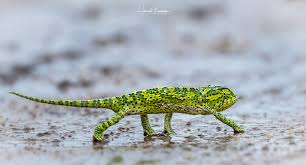
The Remarkable Birdlife of the African Bush
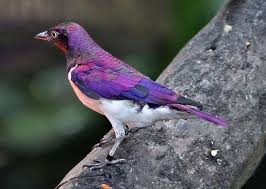
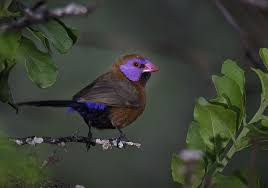
Southern Africa is one of the world’s great birding destinations. The greater Kruger region alone hosts more than 500 bird species, making it a paradise for both casual wildlife enthusiasts and dedicated birders.
One of the most iconic birds visitors may encounter is the brilliant Lilac-breasted Roller. Known for its spectacular combination of turquoise, lilac, and green plumage, this bird often perches on exposed branches along roads and open savannas. During courtship displays, the roller performs breathtaking aerial acrobatics that have made it one of Africa’s most photographed birds.
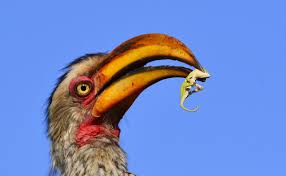
Another common yet charismatic species is the Southern Yellow-billed Hornbill. Often nicknamed the “flying banana” because of its curved yellow bill, this hornbill is a regular companion to safari vehicles. It spends much of its time hopping across the ground searching for insects, spiders, and small reptiles.
Along rivers and waterholes, the striking African Fish Eagle reigns supreme. Its haunting call is often described as the “voice of Africa,” echoing across lakes and river valleys. With its powerful talons and keen eyesight, the fish eagle swoops down to snatch fish from the water’s surface in dramatic fashion.
Colourful bee-eaters also bring life to the bush. The vibrant Carmine Bee-eater migrates through parts of southern Africa and is known for nesting in colonies along sandy riverbanks. Watching hundreds of these birds swirling through the air as they catch insects is a spectacular sight.
Birds not only add beauty to the landscape but also perform crucial ecological roles such as controlling insect populations, pollinating plants, and dispersing seeds across the savanna.
Fascinating Reptiles of the Savanna
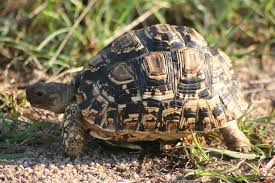
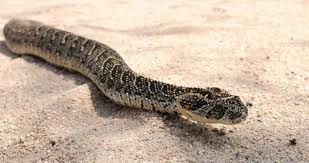
Reptiles are another important component of the African bush ecosystem. While they often go unnoticed, they are perfectly adapted to the warm climate and diverse habitats of the savanna.
One of the most famous reptiles found in southern Africa is the powerful Nile Crocodile. These ancient predators inhabit rivers, dams, and lakes across the region. With their immense jaws and stealthy ambush tactics, crocodiles are among the most formidable hunters in African waterways. Yet despite their fearsome reputation, they are also vital for maintaining healthy aquatic ecosystems by removing weak or dead animals.
On land, the Nile Monitor is a common sight along riverbanks and in woodland habitats. This large lizard is an opportunistic feeder, consuming everything from insects and eggs to fish and small mammals. Monitors are intelligent and adaptable reptiles that play a key role in controlling pest populations.
Another fascinating reptile often seen during safaris is the African Rock Python. As one of the continent’s largest snakes, the rock python is a powerful constrictor capable of subduing prey much larger than itself. Despite their impressive size, these snakes are rarely encountered due to their secretive nature.
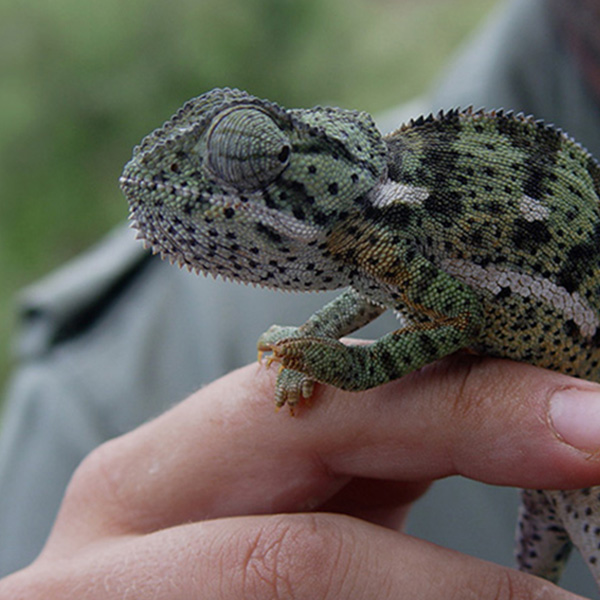
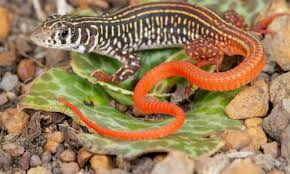
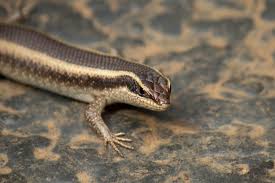
Smaller reptiles such as agamas and geckos also add colour and movement to the landscape. The Southern Rock Agama is particularly striking during the breeding season when males display vivid blue bodies and bright orange heads while basking on rocks and termite mounds.
The Hidden World of Smaller Wildlife
Beyond birds and reptiles lies a remarkable world of smaller creatures that often go unnoticed during a quick safari drive. However, these animals are essential components of the ecosystem.
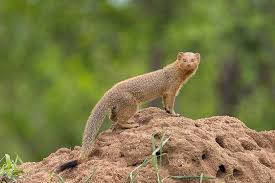
Insects, for example, are among the most important organisms in the bush. Beetles, butterflies, ants, and termites help recycle nutrients, pollinate plants, and serve as food for countless other species. Termite mounds themselves are engineering marvels, creating microhabitats that support reptiles, mammals, and birds.
Amphibians also thrive in seasonal wetlands and rivers. Frogs and toads emerge during the rainy season, filling the night with their calls. These animals are sensitive indicators of environmental health and are vital in controlling insect populations.
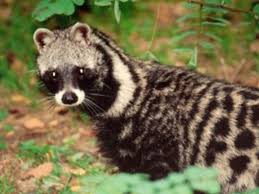
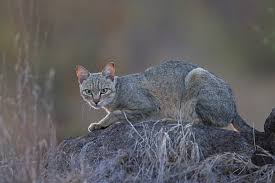
Small mammals such as mongooses, bushbabies, and genets also form part of this intricate web of life. Although they may not receive the same attention as larger animals, they contribute significantly to seed dispersal, pest control, and the balance of predator-prey relationships.
Why Smaller Wildlife Matters
While the Big Five often steal the spotlight, the smaller creatures of the African bush are equally important. Every species plays a role in maintaining the delicate balance of the ecosystem.
Birds control insect populations and help disperse seeds. Reptiles regulate the numbers of rodents, fish, and other small animals. Insects and amphibians support the entire food chain, providing nourishment for birds, reptiles, and mammals alike.
Without these species, the ecosystems of places like Kruger National Park would not function as they do today. The bush is a complex network of relationships, where even the smallest creature has a part to play.
Discover the Full Safari Experience
A truly rewarding safari experience goes beyond simply searching for the largest animals. Taking the time to notice the birds perched along the road, the reptiles basking in the sun, and the smaller creatures moving through the grass reveals a deeper appreciation for Africa’s wilderness.
Guides with a keen eye and deep ecological knowledge can transform an ordinary drive into an unforgettable exploration of the bush’s hidden wonders. This is where a specialised safari operator makes all the difference.
With Intrepid Odyssey, safaris focus on the complete wildlife experience. From tracking iconic predators to spotting rare birds and fascinating reptiles, every outing reveals something new about the intricate world of the African savanna.
Whether it’s watching a fish eagle soar over a river, observing a monitor lizard stalking prey, or admiring the brilliant colours of a lilac-breasted roller, these moments remind us that the magic of Africa lies in its incredible biodiversity.
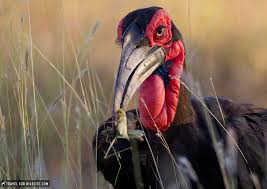
The Little Things Make the Safari
The next time you venture into the African bush, remember that the most memorable encounters are not always the biggest ones. Sometimes the most fascinating wildlife is found perched on a branch, hiding beneath a rock, or fluttering through the air.
Birds, reptiles, and smaller creatures bring the African wilderness to life in ways that are subtle, beautiful, and endlessly intriguing. By slowing down and paying attention to these often-overlooked species, visitors gain a richer understanding of the natural world.
And when you explore the bush with experienced guides from Intrepid Odyssey, you’ll discover that every safari is filled with remarkable stories — from the skies above to the smallest creatures beneath your feet.