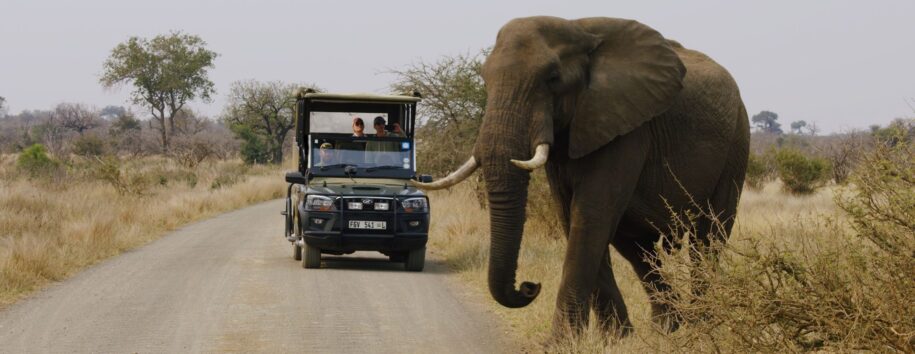
Best Time to Visit the Kruger National Park
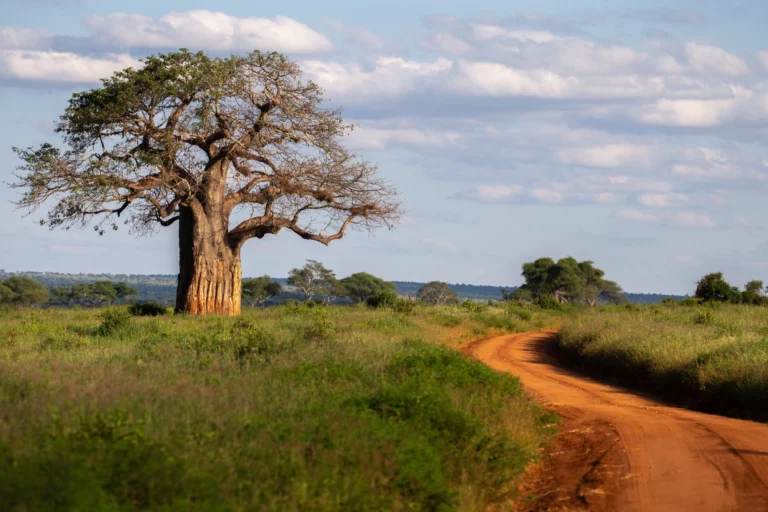
Best Time to Visit Kruger National Park
A Month-by-Month Guide from a Safari Professional
Introduction
After more than two decades in the African bush, one truth stands out: there is no universal “perfect” time to visit Kruger National Park.
There is, however, a perfect time for your safari.
Some travellers chase raw predator action. Others want lush landscapes, vibrant birdlife, or the quiet magic of newborn animals finding their footing. Each season transforms the bush into something entirely different—and understanding those shifts is what separates an average safari from an exceptional one.
The bush follows patterns. Rainfall, temperature, and water availability influence how animals move, behave, and interact. Learn those patterns—or travel with someone who has—and your chances of meaningful sightings increase significantly.
The Quick Answer
If you need a fast decision:
- Best overall game viewing: May to September
- Best for predator activity: August to September
- Best for scenery and birdlife: November to March
- Most underrated months: April and October
But that summary barely scratches the surface. The detail is where the advantage lies.
Dry Season (May – September): The Classic Safari
This is the version of Africa most people expect.
Winter strips the landscape down to its essentials. Grasses recede, trees thin out, and water becomes scarce. It may appear harsh, but for wildlife viewing, these conditions are ideal.
As water sources shrink, animals are forced into predictable patterns. Instead of scanning endless green terrain, your focus narrows to rivers, waterholes, and established movement routes. The bush becomes readable.
This is when sightings of lion, African elephant, and African buffalo become more consistent. Predators and prey converge on the same limited resources, increasing the likelihood of encounters.
From a guiding perspective, this is where experience compounds results. Small details—tracks in the sand, distant alarm calls, or subtle bird behaviour—can lead directly to high-quality sightings. Two vehicles may drive the same road, but only one interprets the signs correctly.
Late Dry Season (August – September): Peak Wildlife Intensity
If your objective is serious wildlife viewing, this is the window.
By late winter, pressure in the ecosystem peaks. Water is critically limited, animals are under strain, and movement becomes highly predictable. The bush shifts from passive observation to active interaction.
This is when you are most likely to witness:
- Hunting attempts by the lion
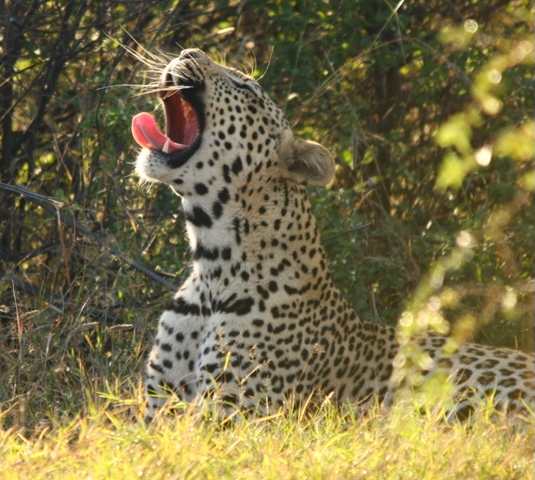
- Ambush behaviour from a leopard
- High-density gatherings at shrinking water sources
- Tense predator-prey encounters
It is not always comfortable. Conditions are dry, dusty, and often hot. But this is the bush in its most honest form—unfiltered and intense.
Wet Season (November – March): The Living Ecosystem
With the arrival of rain, the entire system resets.
Within weeks, the landscape transforms into a dense, green environment filled with life. Food is abundant, water is widespread, and animals disperse.
This is when the bush feels alive.
Expect:
- Migratory birds in full colour, including species like the lilac-breasted roller
- Newborn antelope and other young animals
- Dramatic skies and rich photographic conditions
Sightings of species like leopard become more challenging due to thicker vegetation, but often more rewarding when they occur.
This season requires a shift in mindset. You may see fewer animals, but experience more natural behaviour. The bush is less concentrated, but more dynamic.
The trade-off is simple: easier sightings versus a richer, more immersive environment.
Shoulder Seasons (April & October): The Overlooked Advantage
These transitional months are often underestimated—and that’s a mistake.
April sits at the tail end of the rains. The landscape remains green, water is still present, but visibility improves steadily. It offers a balanced experience: strong aesthetics combined with improved game viewing and fewer crowds.
October, on the other hand, is raw.
It is extremely hot. Water is scarce. Conditions are at their harshest. But that pressure drives behaviour.
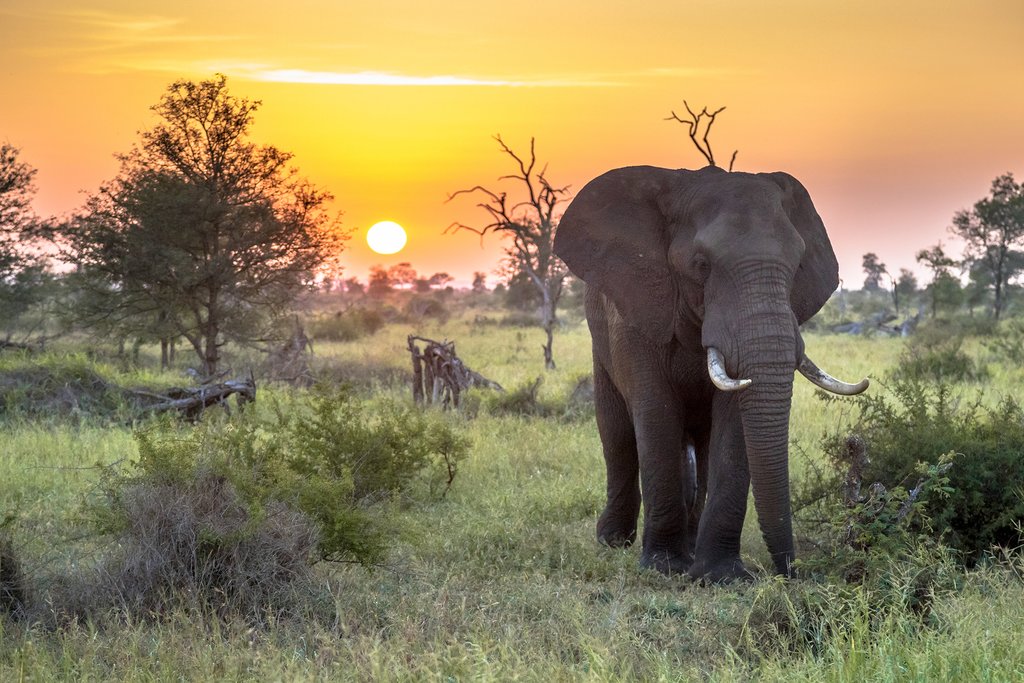
Animals are forced into tight patterns. African elephants congregate at remaining water, predators position strategically, and the ecosystem becomes tense and active.
For those willing to tolerate the discomfort, October can deliver some of the most rewarding sightings of the year.
Month-by-Month Snapshot
- January – February: Peak green season, excellent birding, reduced visibility
- March: Transition period, conditions begin improving
- April: Balanced conditions, fewer visitors
- May – June: Dry season begins, sightings improve rapidly
- July: Strong game viewing with cooler temperatures
- August – September: Peak activity and density
- October: Harsh conditions, exceptional wildlife behaviour
- November – December: Rain returns, landscape transforms
Final Perspective: What Actually Determines a Great Safari
Timing matters, but it is not decisive.
The quality of a safari is shaped by execution:
- When you are on the road
- How sightings are approached
- The ability to interpret tracks, sounds, and movement
- Patience and positioning
You can visit in peak season and miss key moments. You can travel in a quieter period and experience something extraordinary.
The difference is awareness.
The Reality of the Bush
Wildlife does not operate on a schedule. But it does follow patterns.
Understanding those patterns changes everything. It turns random sightings into intentional tracking. It transforms a drive into a story.
That is the difference between simply visiting Kruger National Park and actually experiencing it.
And once you understand that distinction, you stop asking when the best time is—and start focusing on how to do it properly.